7 common challenges of temperature-sensitive injections, and how to make them easier
From fridge chaos and summer heat to injecting away from home and keeping it private, here are seven common challenges of living with temperature-sensitive injectable medication, with practical ways to make each one easier.

If you inject a temperature-sensitive medication, you'll know the injection itself is only part of it. There's the fridge to manage, the supplies to keep track of, the days when life takes you away from home, and the quiet effort of fitting it all around everything else.
Whether you're on a weekly GLP-1 medication, daily insulin, a course of fertility treatment or another injectable, many of the challenges are the same. Here are seven of the most common, and some practical ways to make each one a little easier.
1. Keeping medication at the right temperature
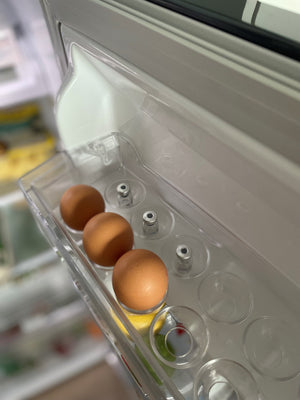
Most refrigerated injectables need to stay between 2°C and 8°C until they're opened, and many in-use pens can only sit at room temperature for a limited number of days. It sounds simple until the fridge door is opened twenty times a day, pens slide to the back and freeze against the wall, or someone stacks the groceries on top.
What helps:
- Keep medication in the main body of the fridge, away from the back wall and freezer compartment, where it's more likely to freeze.
- Give your medication its own container so it's protected and easy to find.
- Write the date you opened each pen on the box, so you know when its room-temperature window ends.

Our Keep Them Cool Fridge Caddy was designed for this. It has a clear top tray for the pen you're using now, a large bottom compartment for spares, and a light-reducing design that fits a standard fridge shelf.
2. The Australian heat
Summer here is hard on medication. A bag left in the sun or a car on a warm day can quickly reach temperatures that damage medicine, and a damaged pen can be costly to replace.
Our founder learned this the hard way. Tanya chose an interstate IVF clinic and relocated to Queensland for four of her six cycles, and Queensland heat is no joke. During one cycle, her medication overheated in the car and stopped working as it should. She didn't find out until just before egg collection, when her blood work showed the medication hadn't been doing its job. She went ahead with the collection, but her body had already peaked too far. It was one of the hardest cycles she went through, and so much was wasted. It's one of the reasons she created the On the Go Pouch.
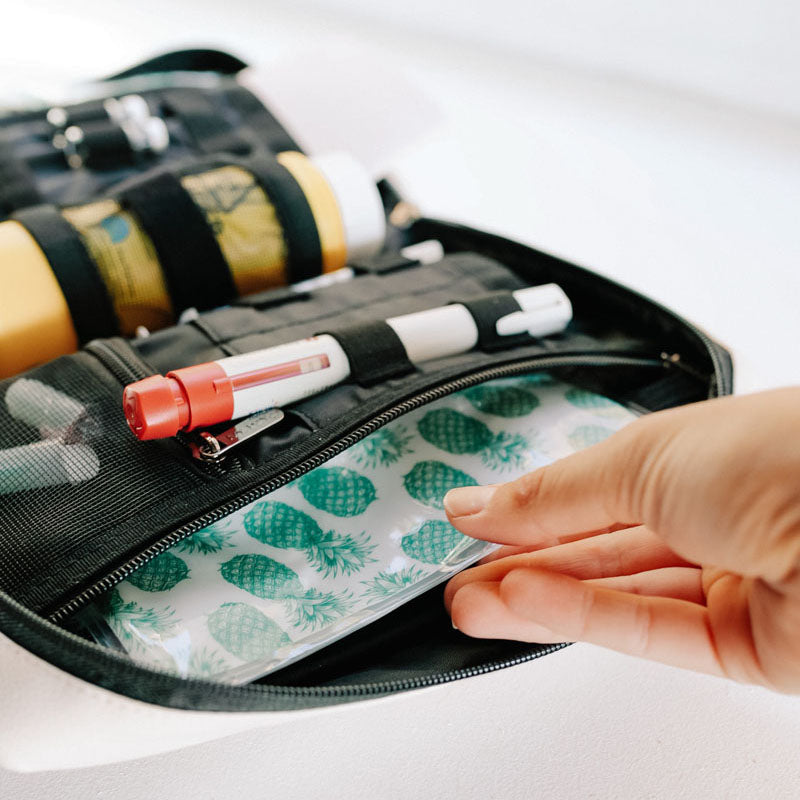
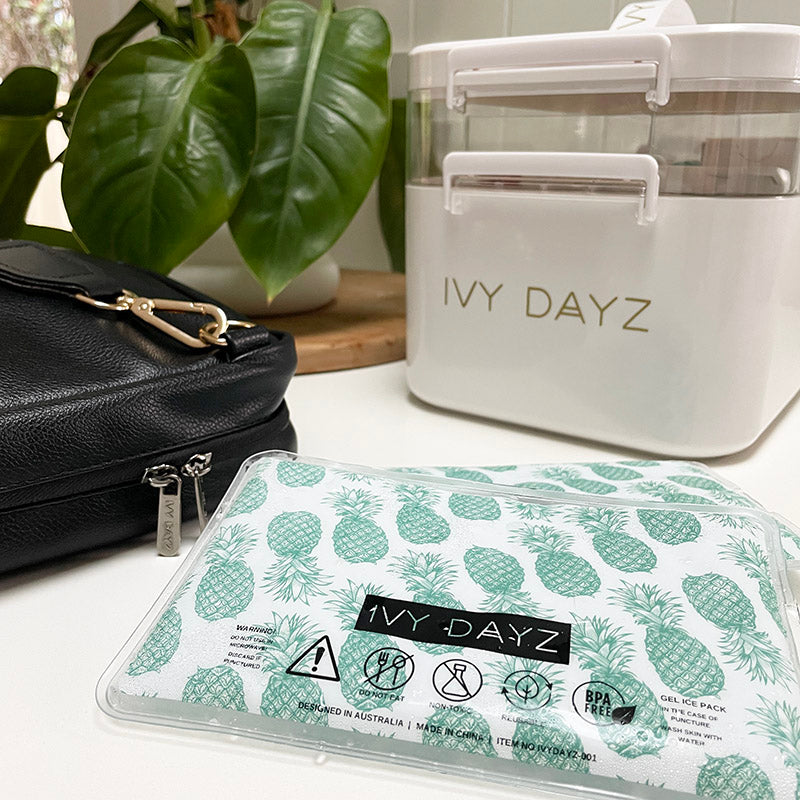
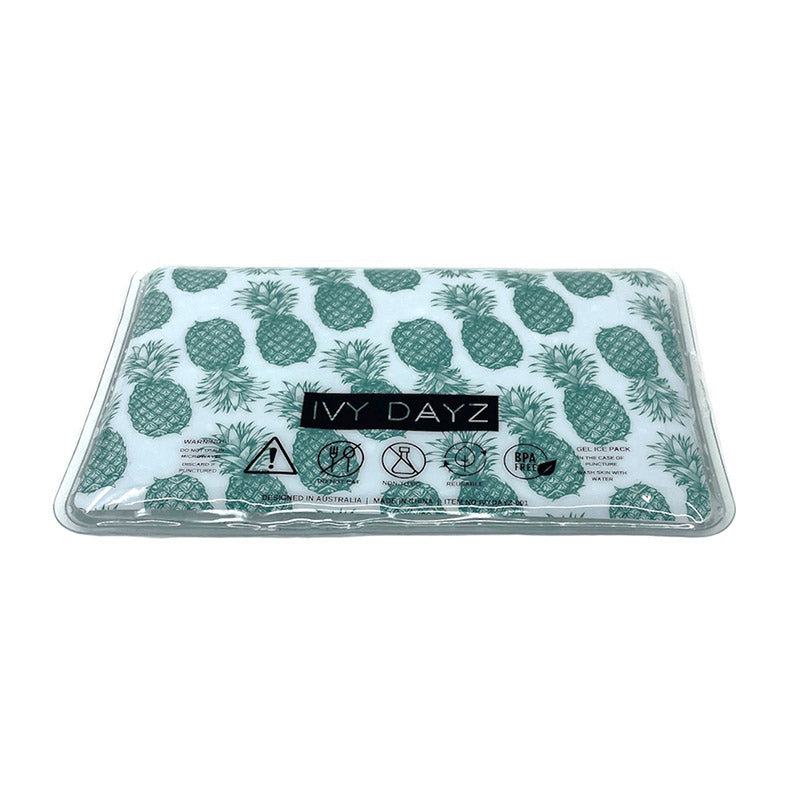
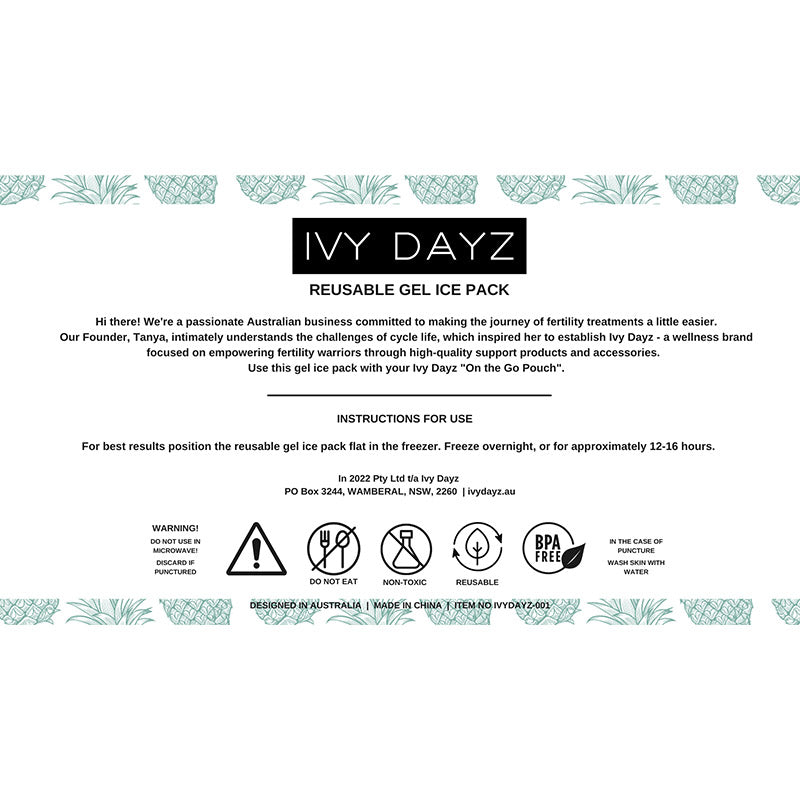
What helps: keep your medication with you rather than in the car, carry it in an insulated bag with gel ice packs when you're out, keep it in the shade, and return it to the fridge as soon as you're home.
3. Injecting away from home
Most weeks, injecting at home is straightforward. Then injection day lands on a weekend away, a long workday or a dinner out, and suddenly you're looking for somewhere clean to prepare, somewhere private to inject and somewhere safe for the used needle.
What helps: plan ahead. Know where you'll inject, pack alcohol wipes and a sharps container, and bring a clean surface with you.
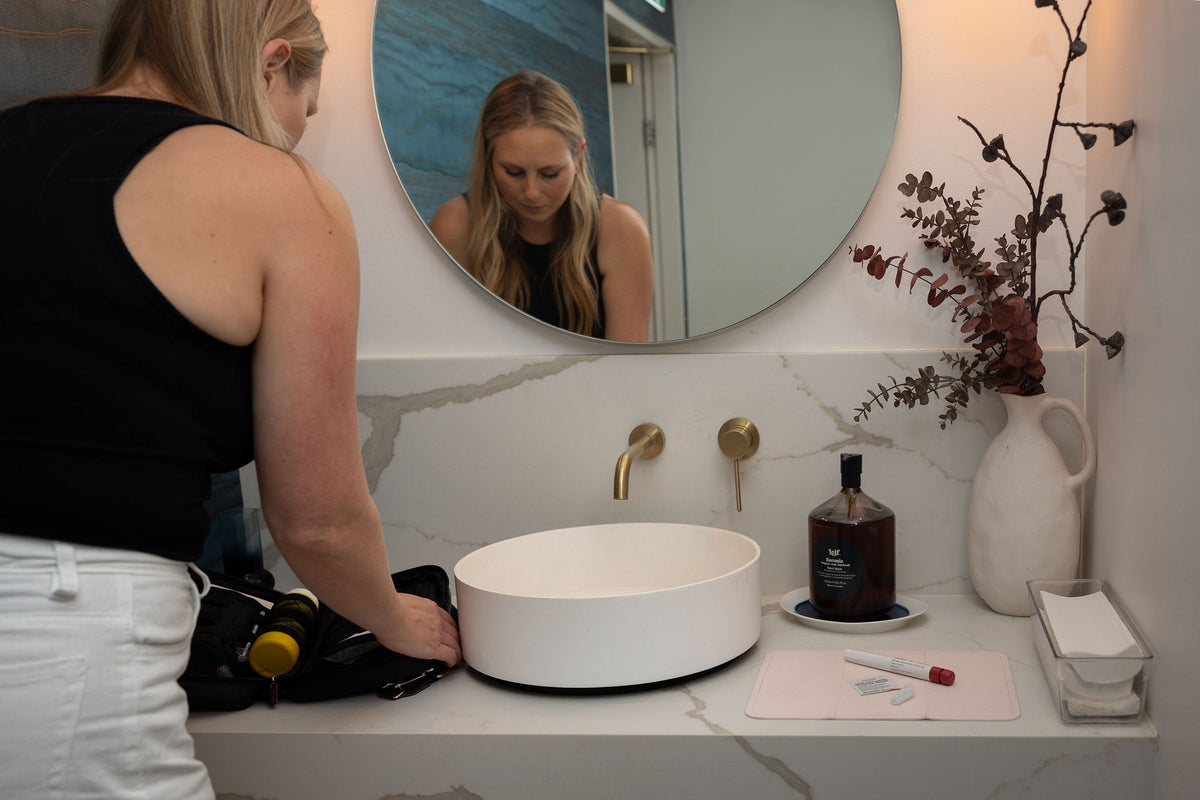
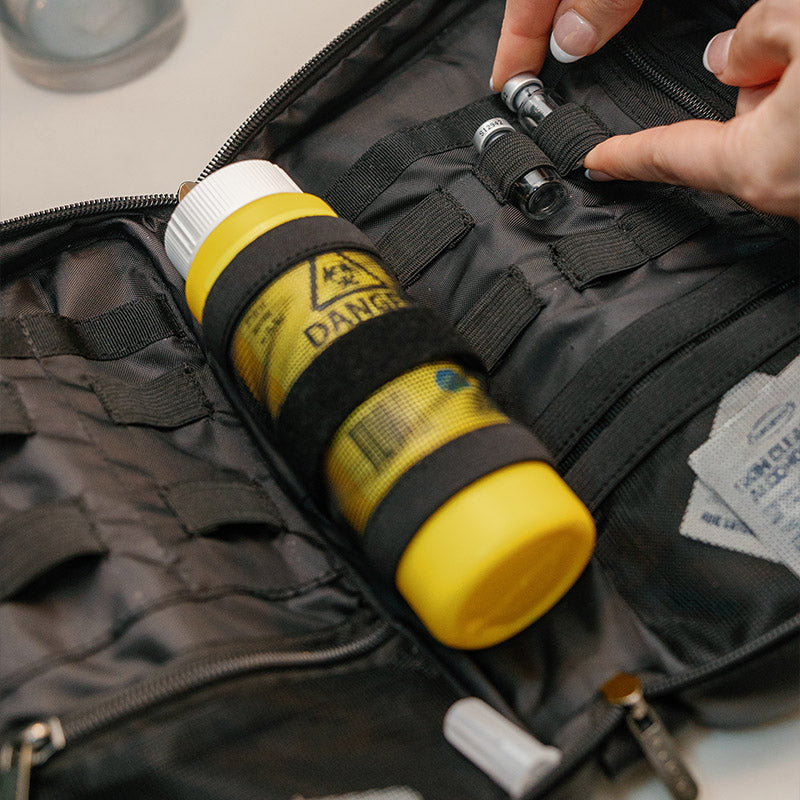
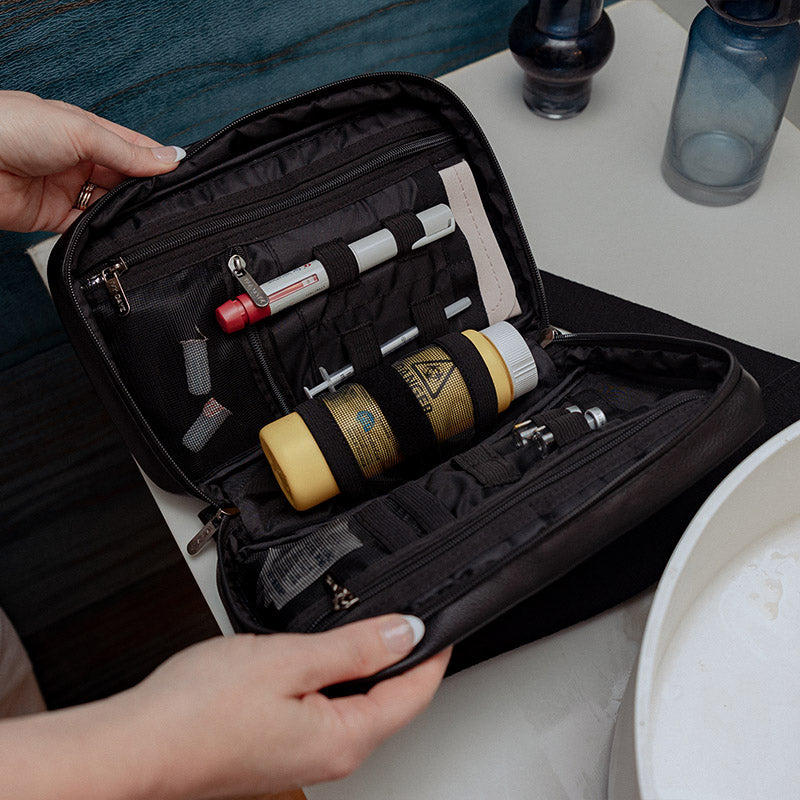
That's the idea behind the On the Go Pouch: an insulated handbag that opens 180° on its strap to reveal a wipe-clean preparation mat, elastic loops for pens and needles, and space for a travel sharps container.
4. Wanting to keep it private
Your health is your business. Many people managing IVF, weight or diabetes would simply rather not explain their medication to colleagues, friends or strangers, and some have felt judged when they have.
What helps: choose a carry bag that doesn't look medical, keep supplies together so you're not unpacking them in public, and remember you never owe anyone an explanation. The On the Go Pouch looks like a crossbody handbag, and the Fridge Caddy has a removable branding decal for anyone who'd prefer to keep their treatment private at home.
5. Safe sharps disposal
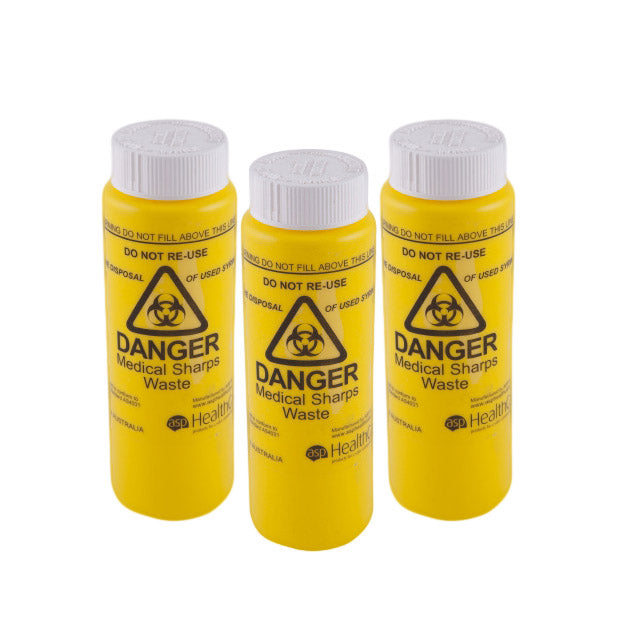
Used needles, pen tips and syringes need to go into an approved sharps container, never into household rubbish or recycling. At home that's easy. Away from home, it's easy to get caught without one.
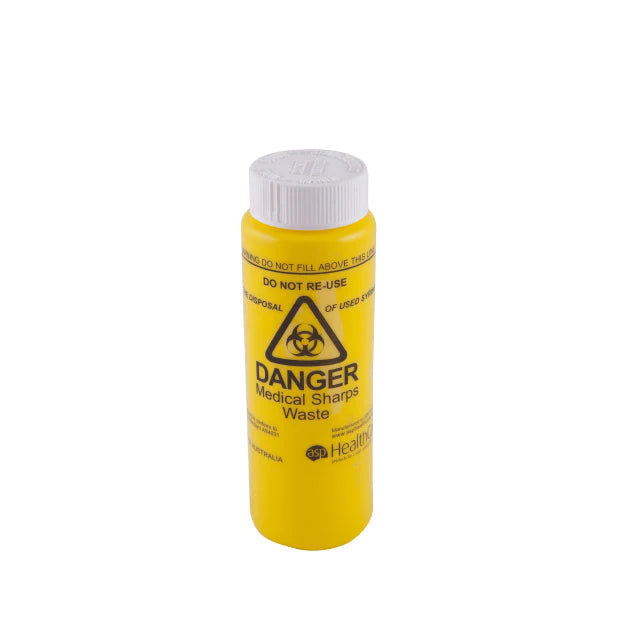
What helps: keep a small travel sharps container in your bag, and ask your local council or pharmacy where to drop off full containers. Our travel sharps containers come in 150ml and 250ml sizes.
6. Injection nerves
Even people who have injected hundreds of times can still feel a flutter of nerves. For those just starting out, it can be the hardest part of treatment.
What helps: a calm, consistent routine, rotating injection sites as your healthcare team recommends, and taking a slow breath before you start. Some people find cold helps too.

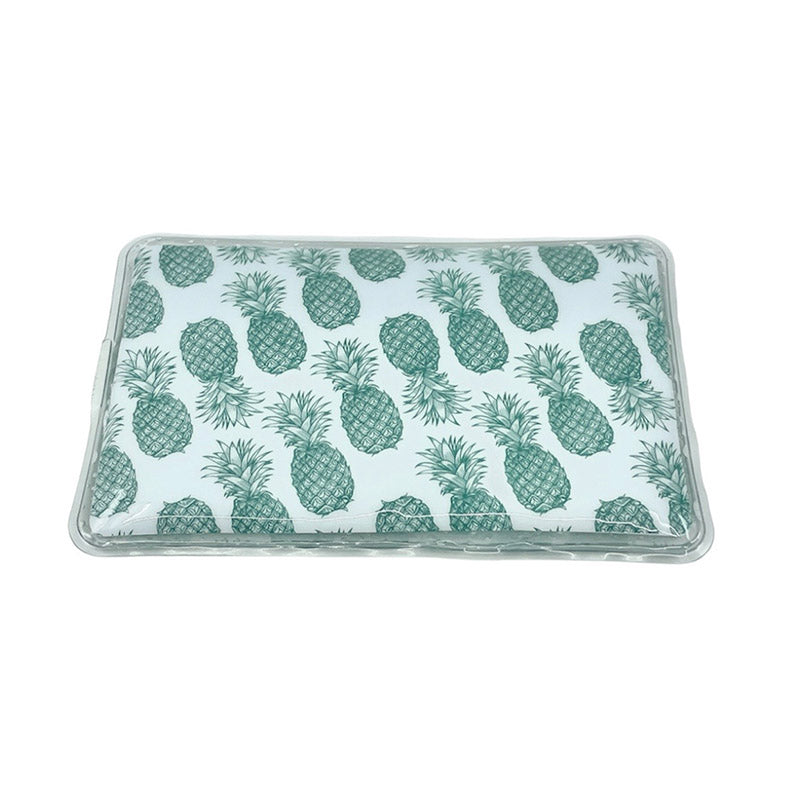
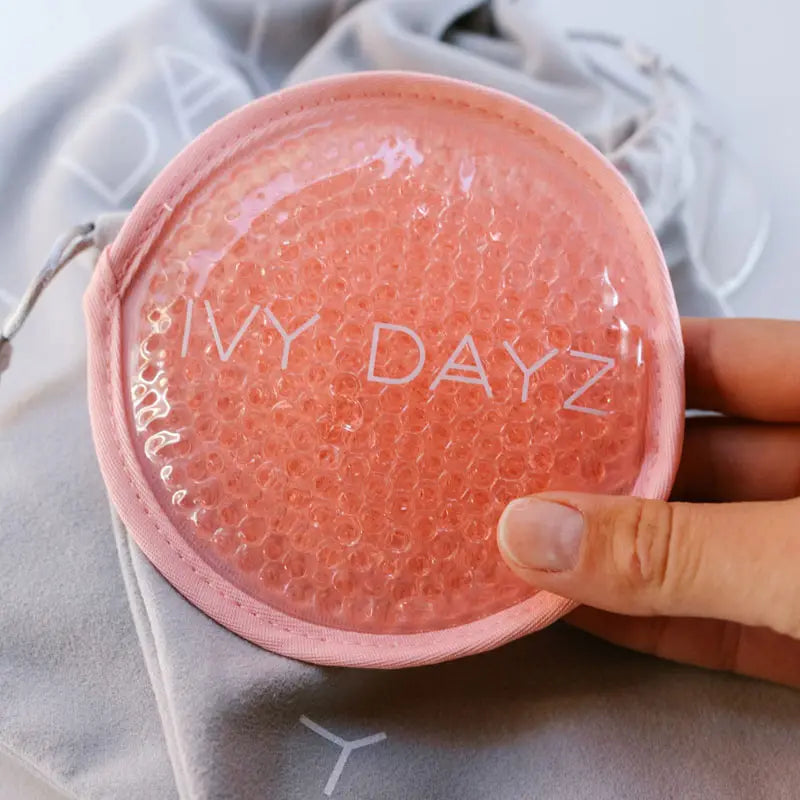
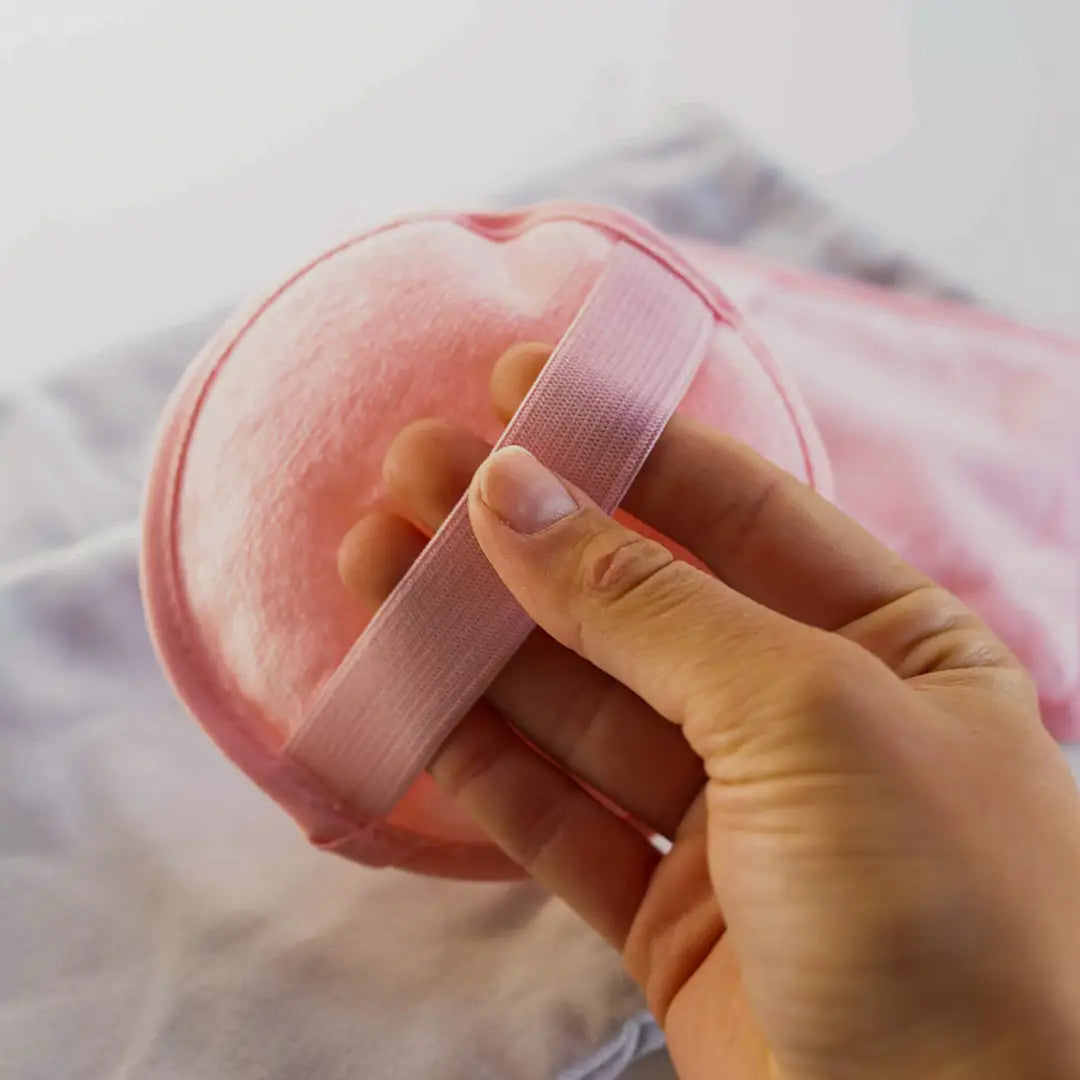
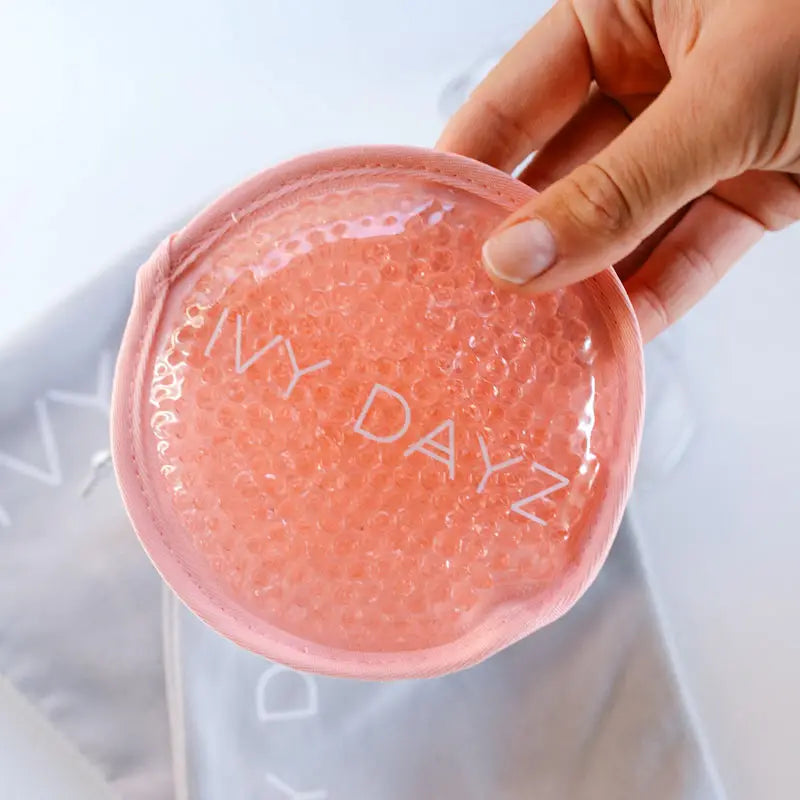
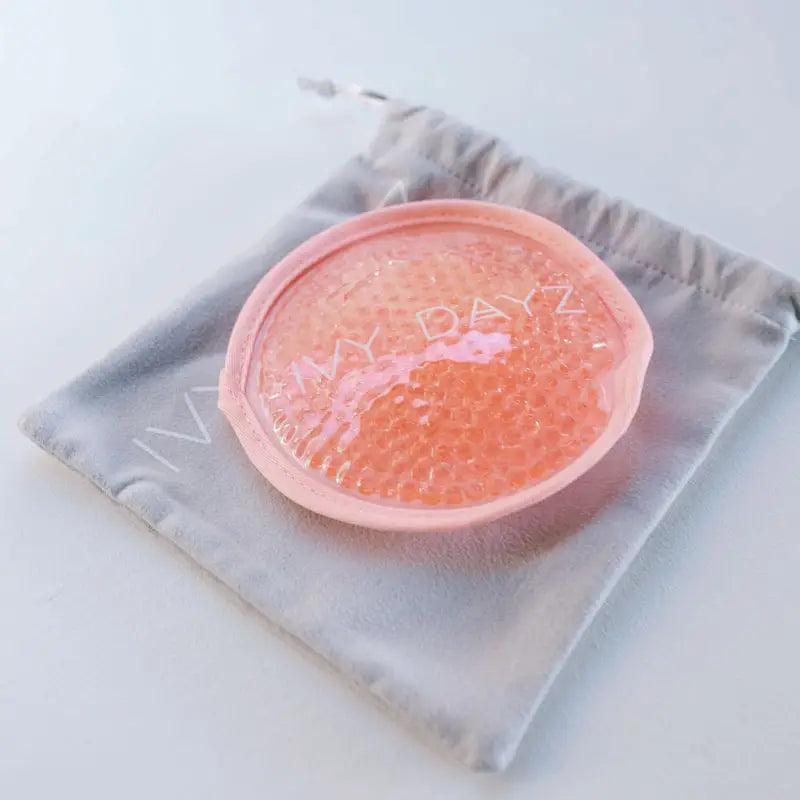
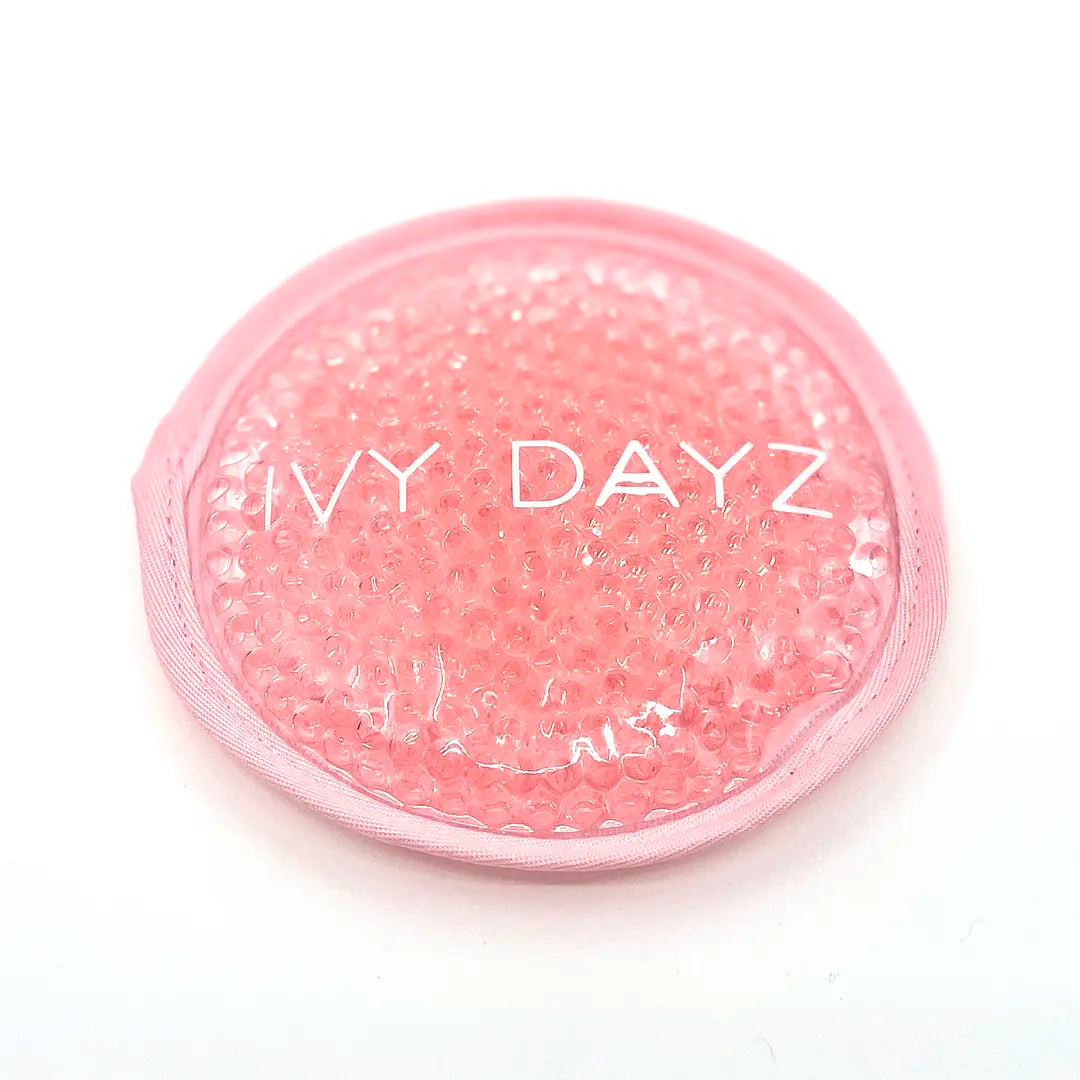
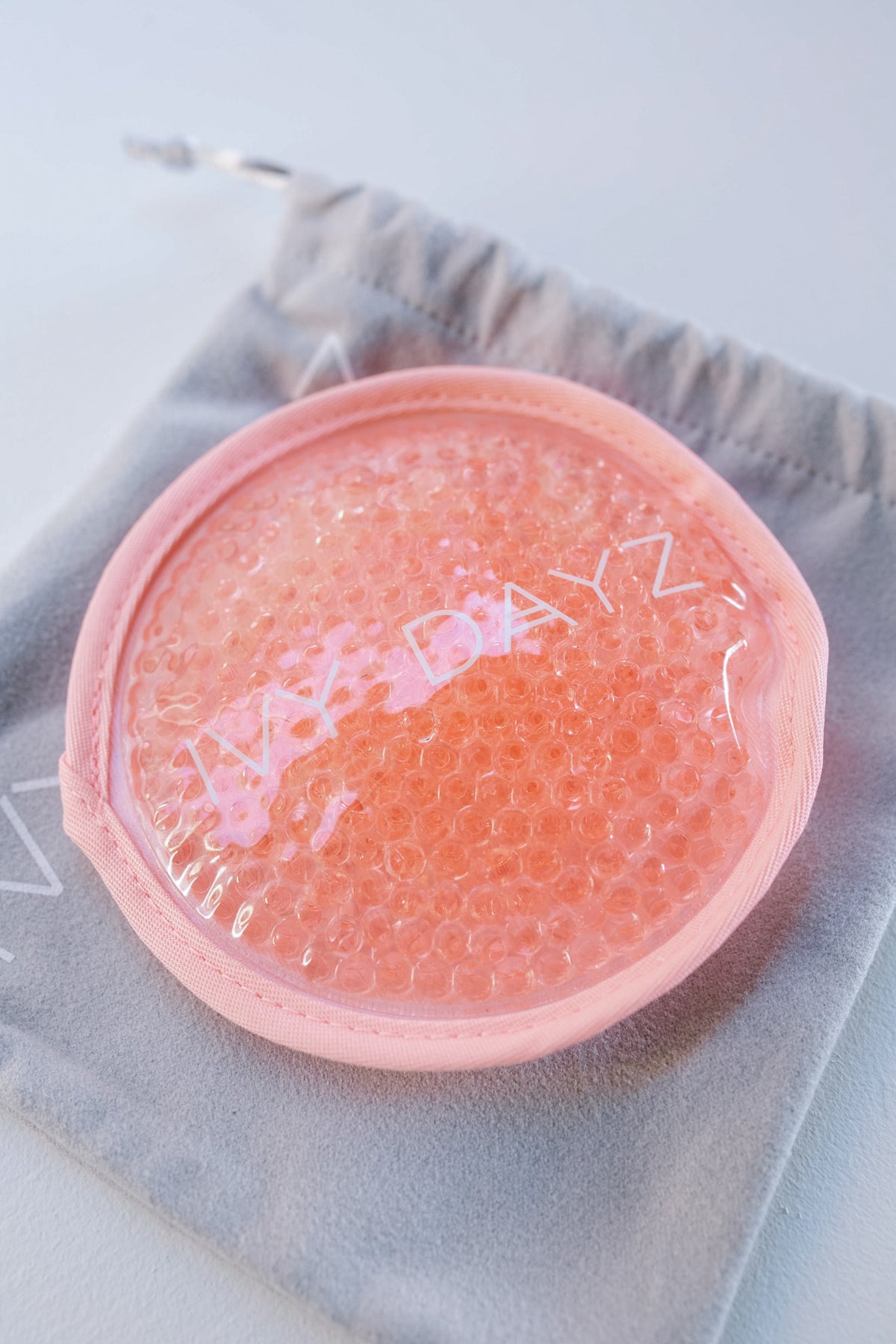
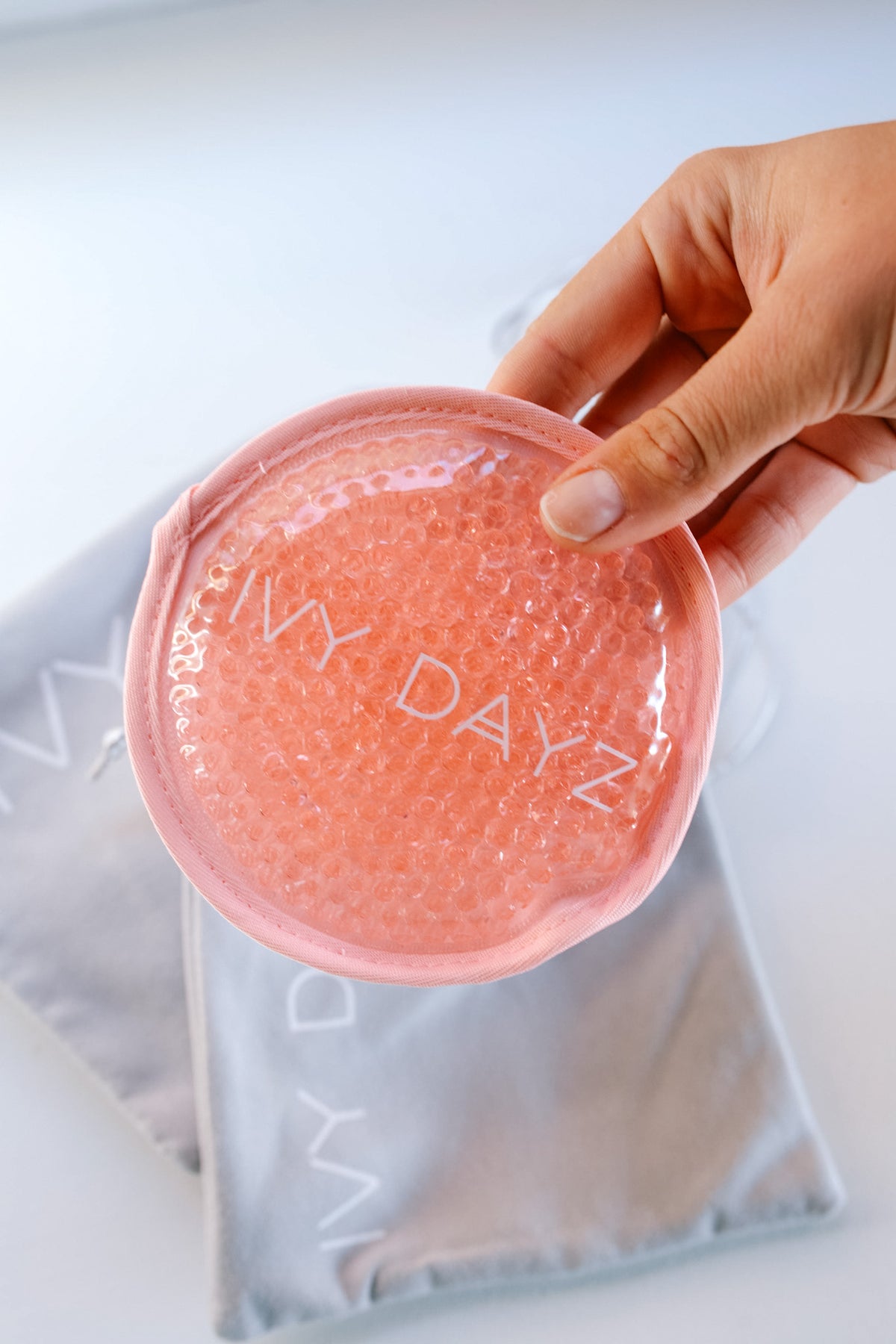
Our Cool Therapy compresses were created for IVF warriors with injection jitters. Applied to the injection site for a few minutes before and after a subcutaneous injection (a small injection just under the skin, like most IVF stimulation medications, GLP-1 pens and insulin), they can help ease injection discomfort.
A note on progesterone in oil: intramuscular injections, such as progesterone in oil (PIO), are different, and our Cool Therapy compresses aren't designed for them. Always follow your clinic's advice.
7. The mental load
Tracking doses, reordering scripts, counting needles, checking expiry dates and remembering the ice packs adds up. It's one more thing to carry, on top of everything else.
What helps:
- Set reminders for injection day and for reordering scripts.
- Keep everything for your injection in one place, at home and when you're out.
- Restock your bag as soon as you get home, so it's ready next time.
You're not doing this alone
Ivy Dayz began with one woman, her IVF injections and nowhere sensible to prepare them. Today our community includes people managing fertility treatment, GLP-1 medications, insulin and other injectables. The medications are different, but so many of the challenges are the same.
If you have a tip that's made your injection routine easier, we'd love to hear it. Share your story.
Further reading
- Effect of cold application on bruising and pain following heparin subcutaneous injection: a systematic review and meta-analysis (2020). Journal of Nursing Scholarship.
- Amaniyan et al. (2020). Cold application on bruising at the subcutaneous heparin injection site: a systematic review and meta-analysis. SAGE Open Nursing.
This article is general information only and isn't medical advice. Always follow the storage directions for your medicine and the advice of your doctor, specialist or pharmacist. Ivy Dayz supplies accessories, not medication.
Disclaimer
This blog provides generalised information about health and other related topics. Information made available via the Ivy Dayz Journal, including text, graphics, images, linking material and other information is intended for entertainment purposes only.
The information and other content provided in this blog are not intended, and should not be considered or used as medical or professional advice. Information should not be relied upon as health or personal advice.
Always refer to your health care provider or other professional, and do not delay seeking medical treatment because of content noted on this website or contained within outbound links.
The opinions and views expressed on this website have no relation to any academic, hospital, health practice or other institution.