IVF and other fertility treatments can be a little unpredictable.
Close monitoring of blood work and ultrasound scans decides when certain key steps in the process happen. What that means is that until you're told otherwise, you never quite know when procedures such as an egg collection might take place.
It can be difficult to plan. Instead, we take it day by day, waiting with anticipation for the phone call or consult that tells us it's time for the trigger injection.
I know that when I was going through IVF, I wanted to be prepared. My goal was to be ready to roll whenever the doctor said, "It's egg collection time."
Here are my go-to tips for getting trigger-ready and preparing for your egg collection, ahead of time.
1. Store your trigger medication properly
Your trigger injection is timed precisely, usually 36 hours before your egg collection (NHS; Medicine, 2016). Your clinic will give you the exact time. If the timing slips, or your trigger isn't stored correctly, you may risk your egg collection being cancelled.
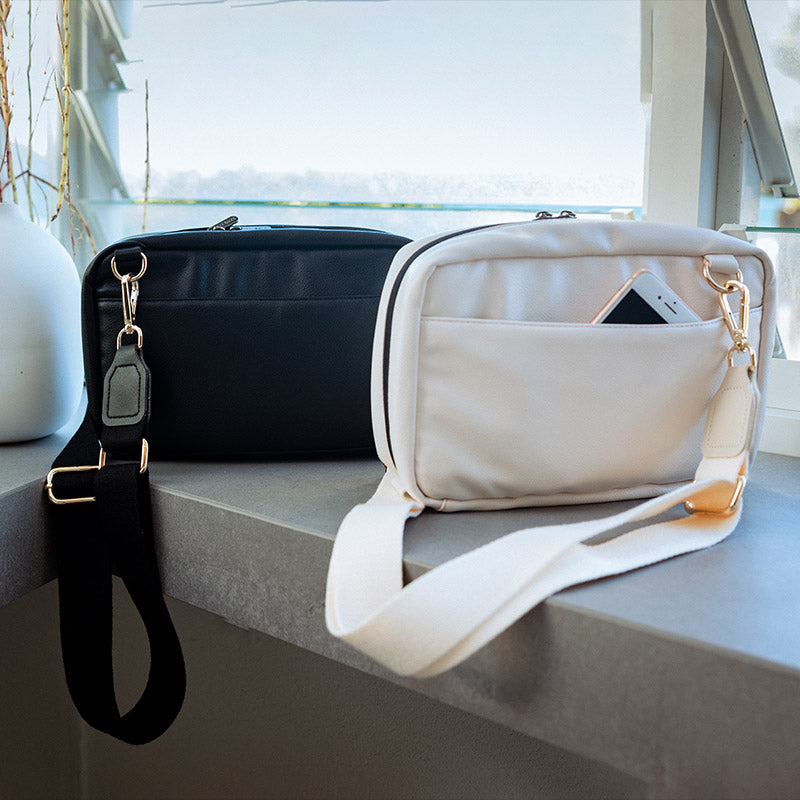
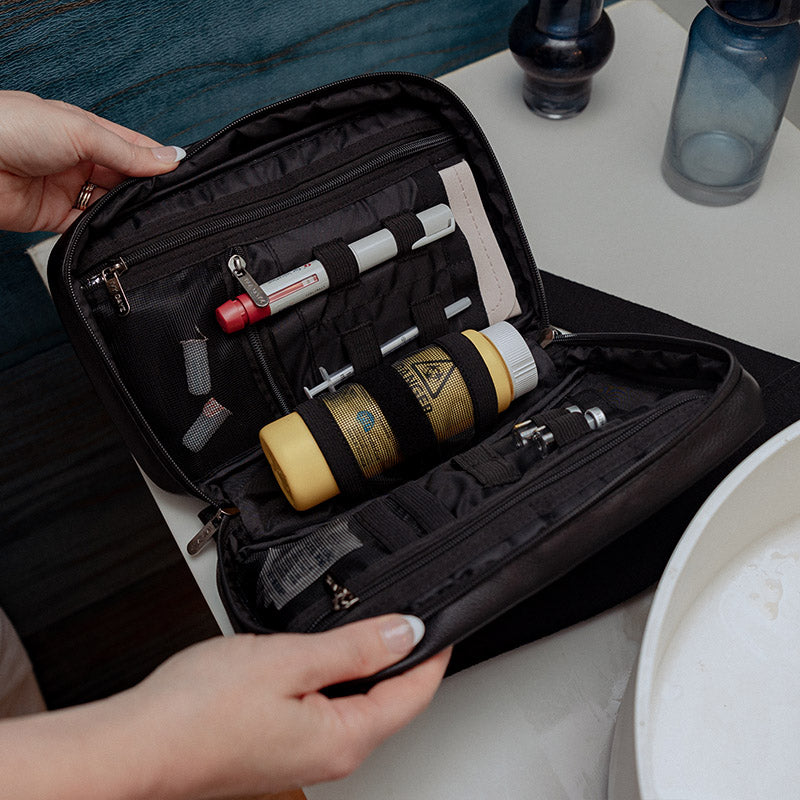
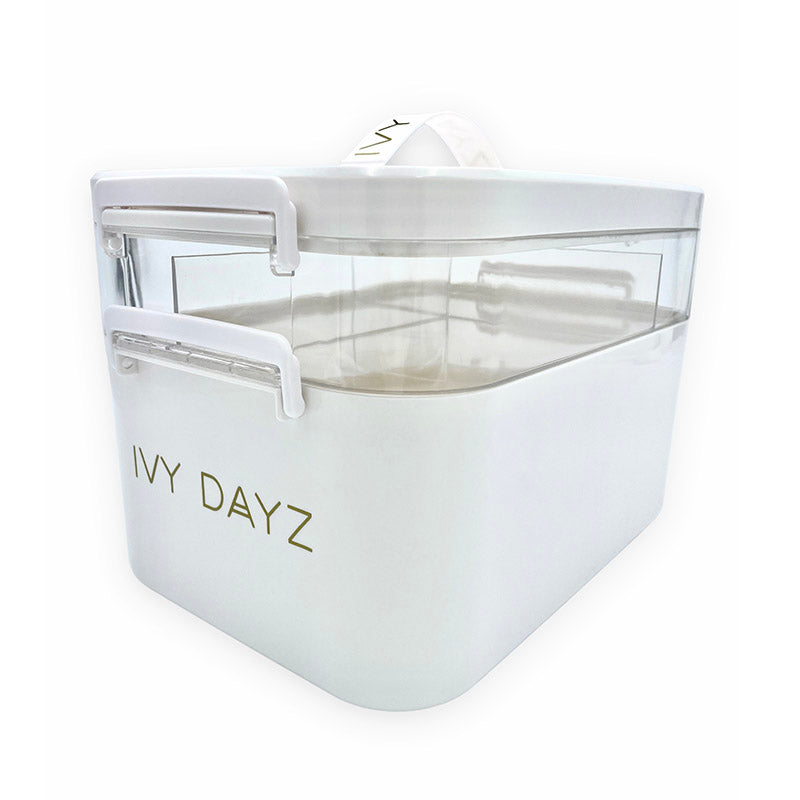
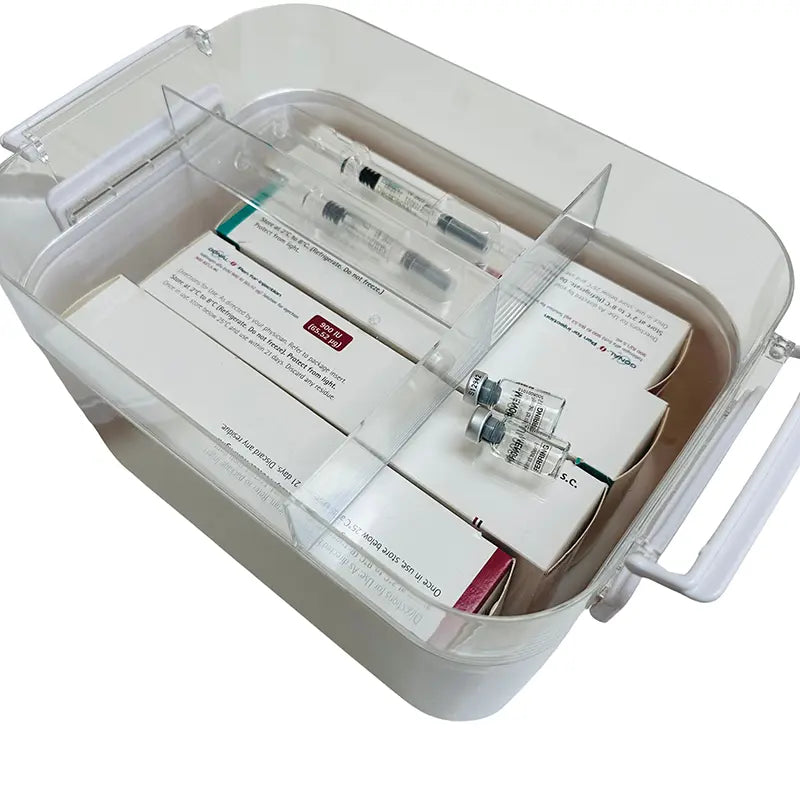
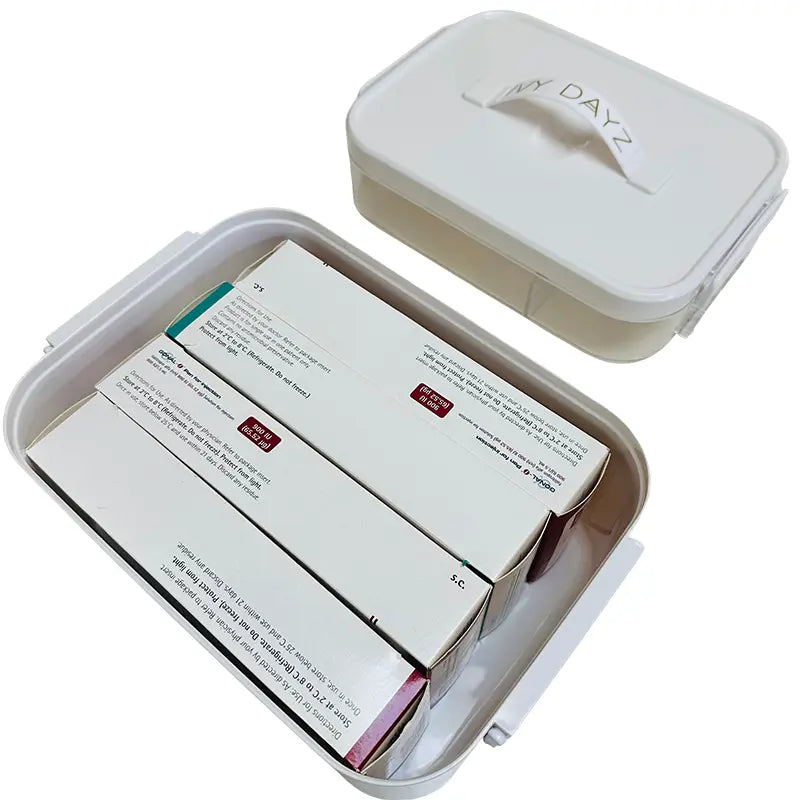
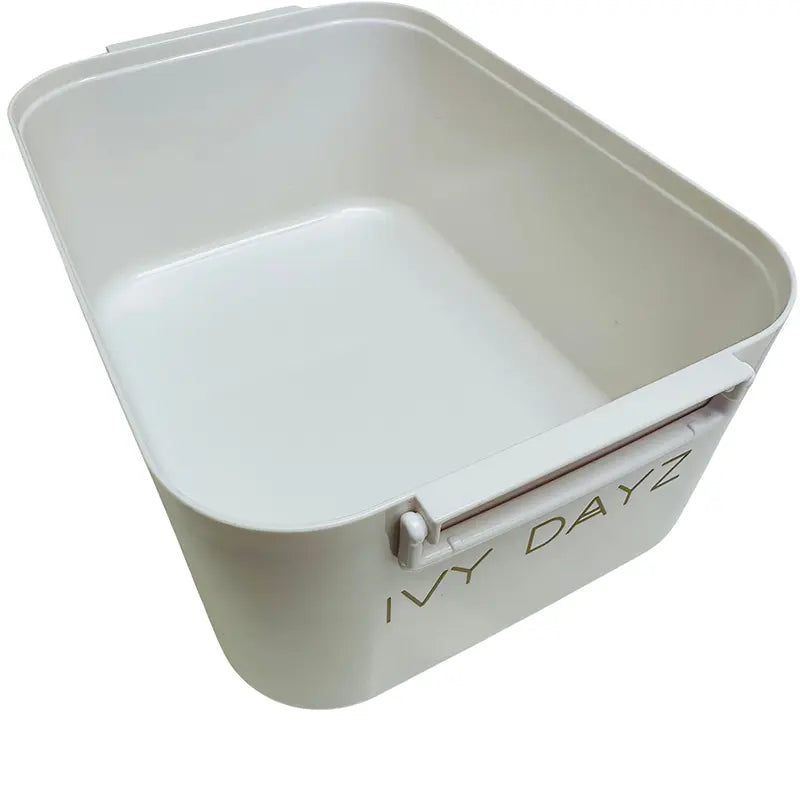
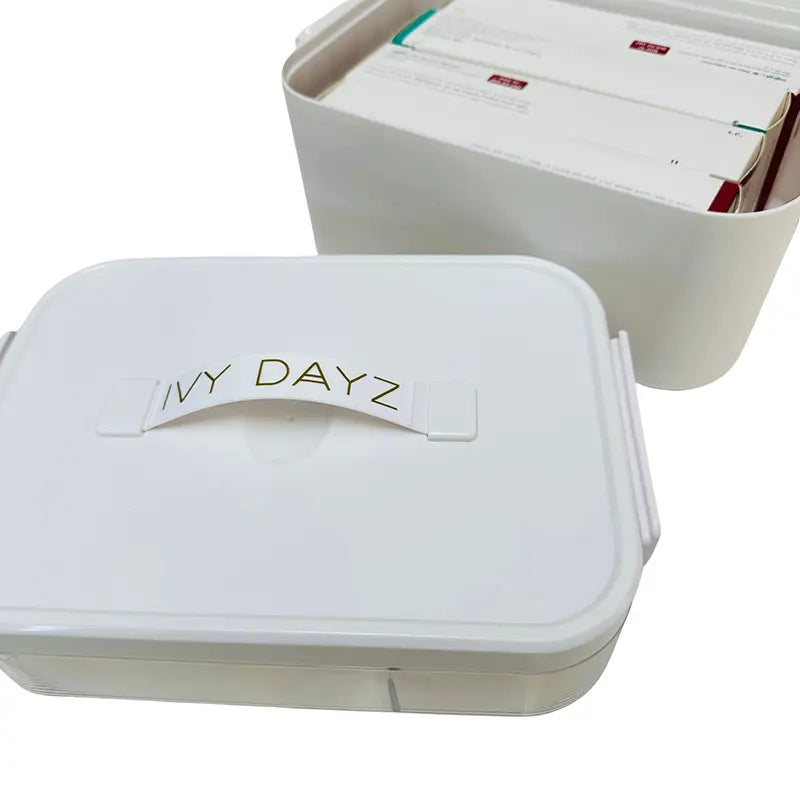
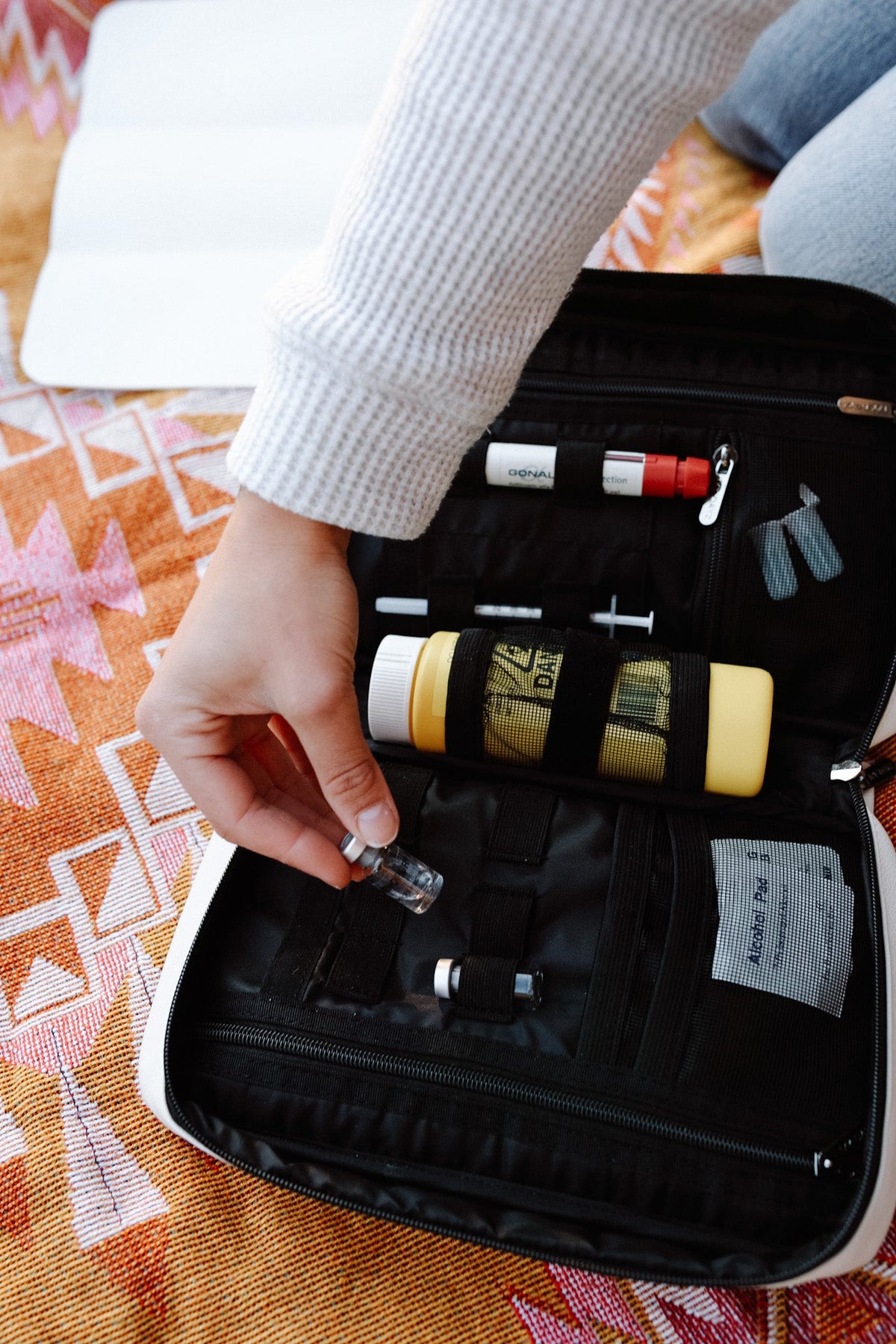
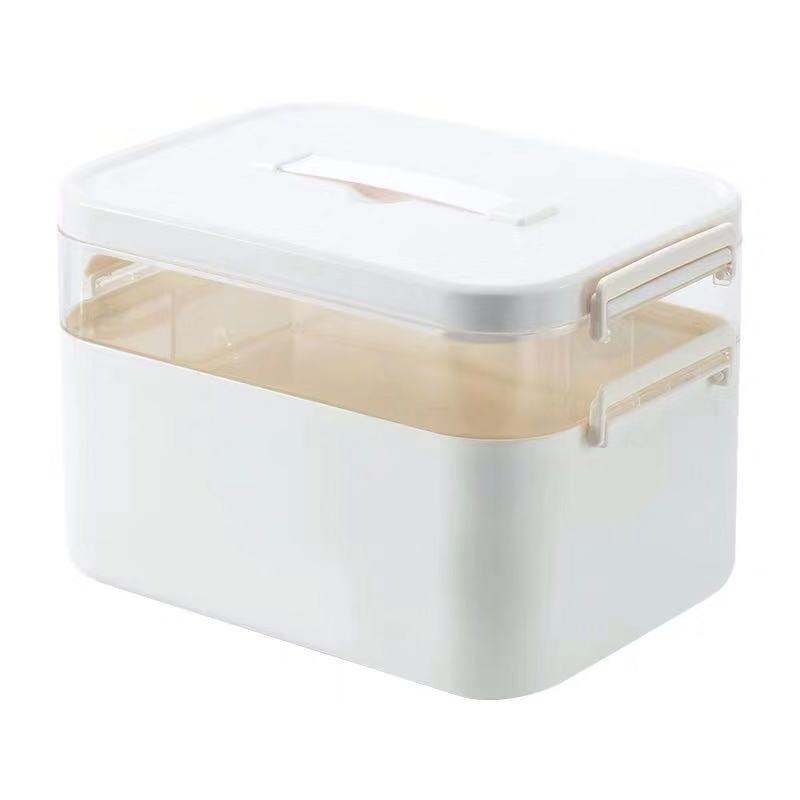
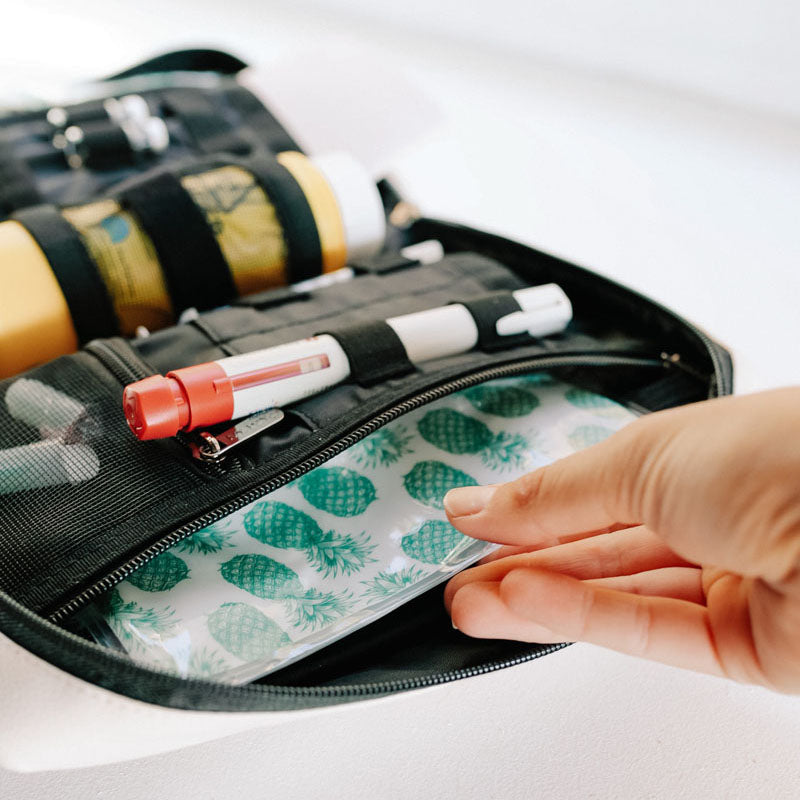
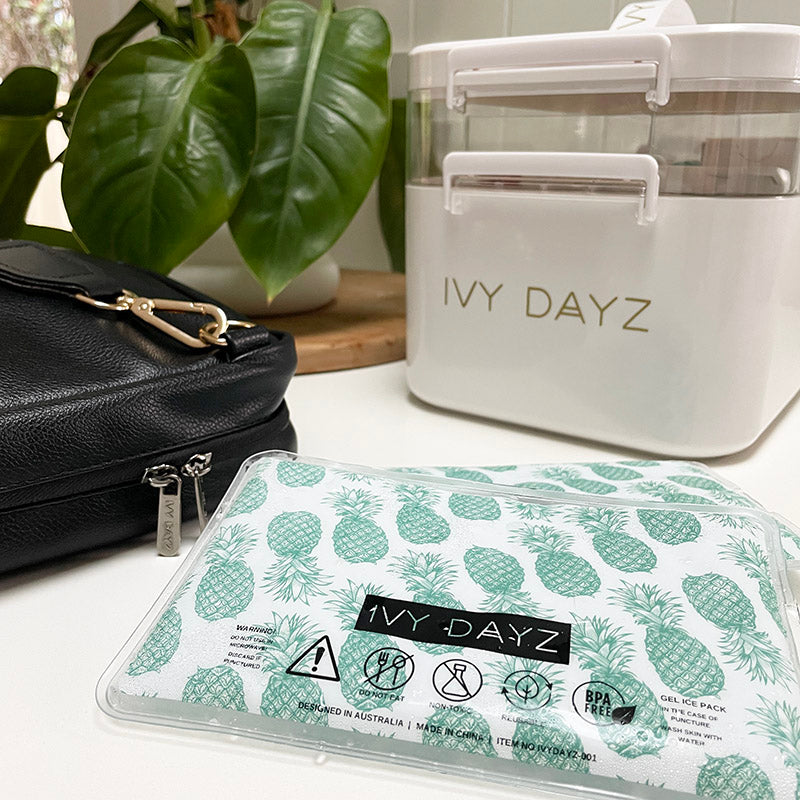
Keep your trigger injection in a dedicated medication caddy on a suitable shelf in your fridge, away from the back wall, vents and outflows, where medication can freeze. I recommend storing your trigger in the clear top tray of our Keep Them Cool Fridge Caddy, separate from your other medications.

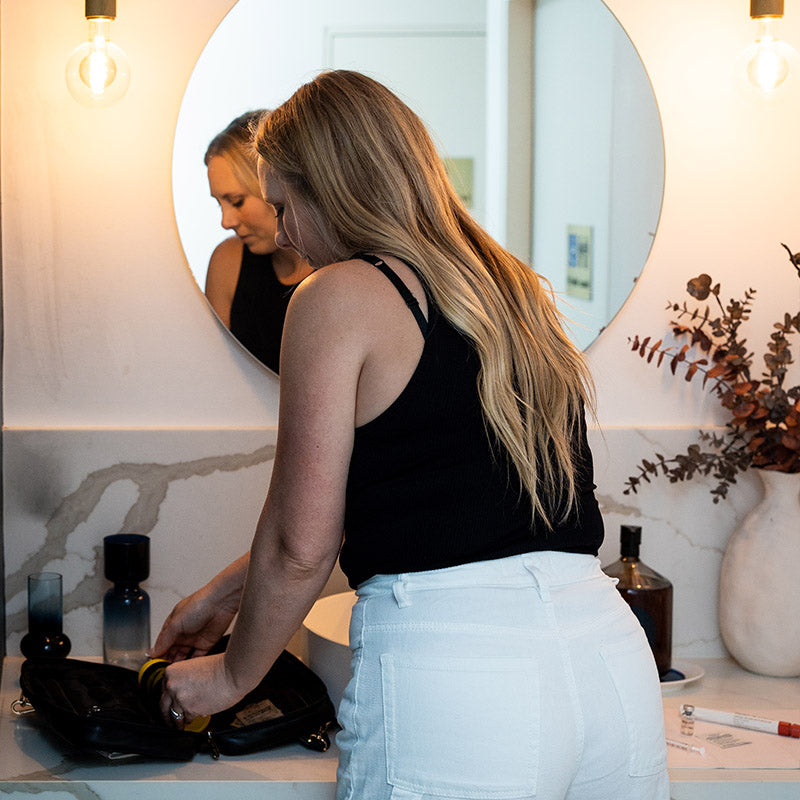
Keeping the trigger separate means you'll know exactly which shot is which, and you'll be ready to go when the time comes. Set two alarms for your trigger time, just in case.
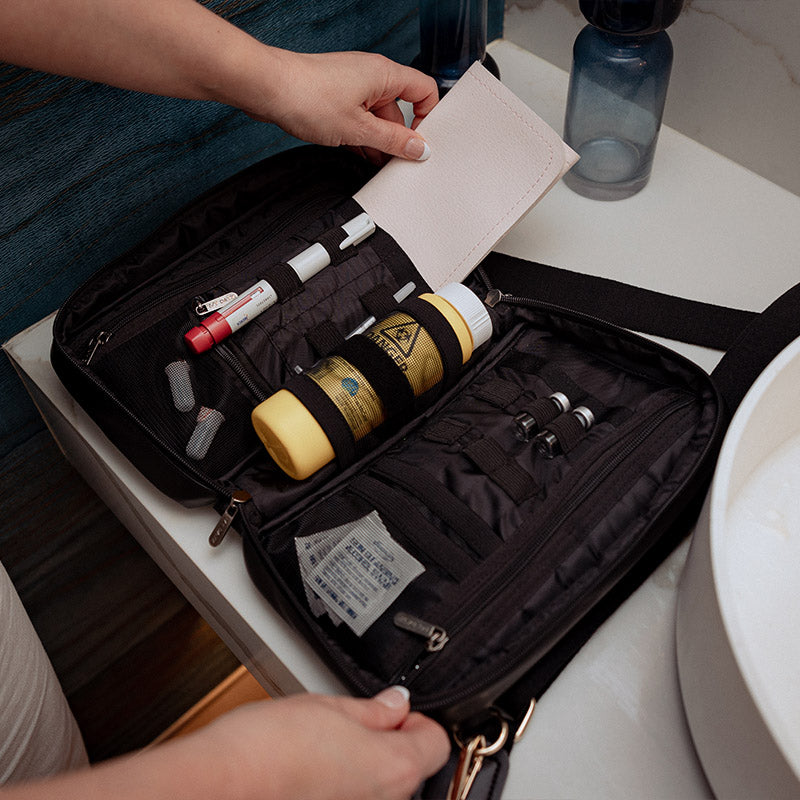
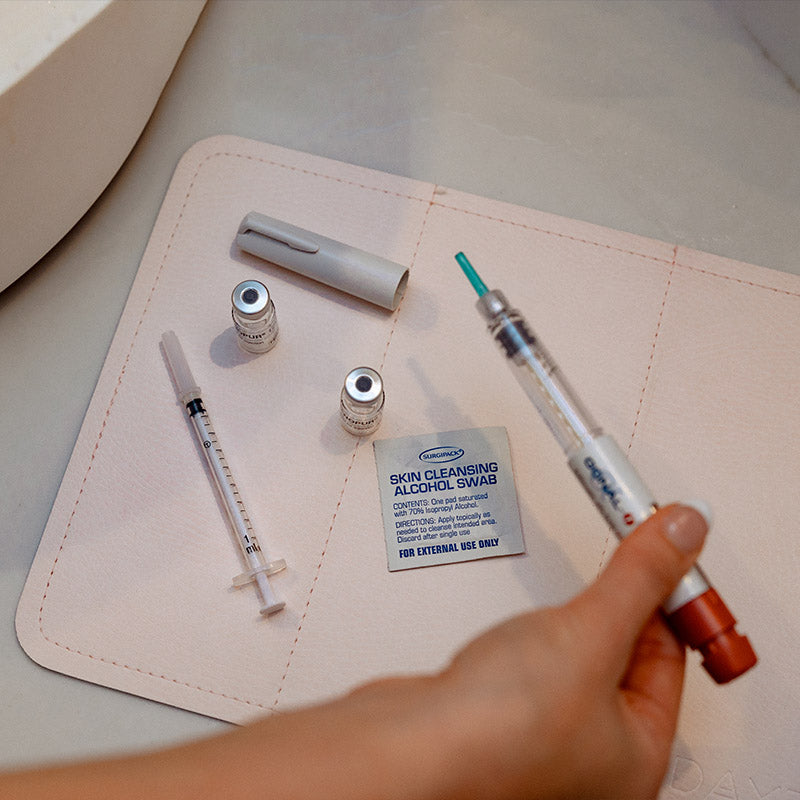
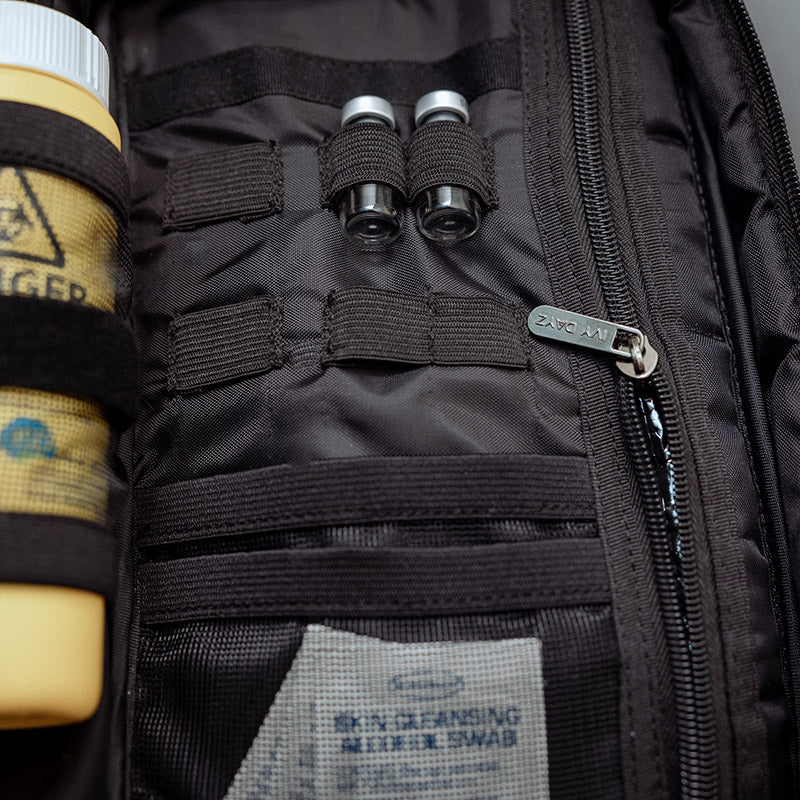
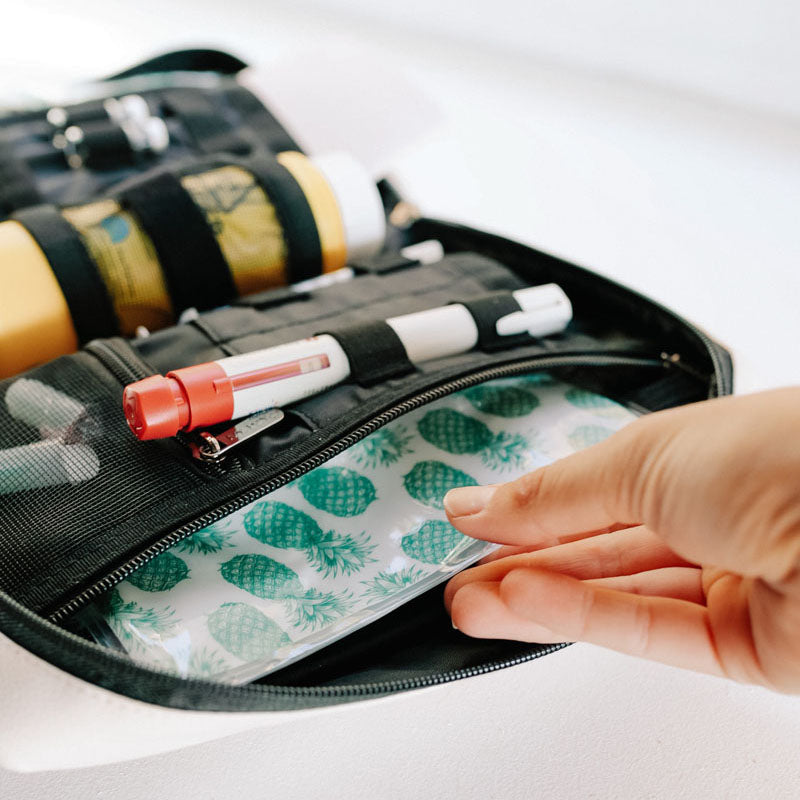
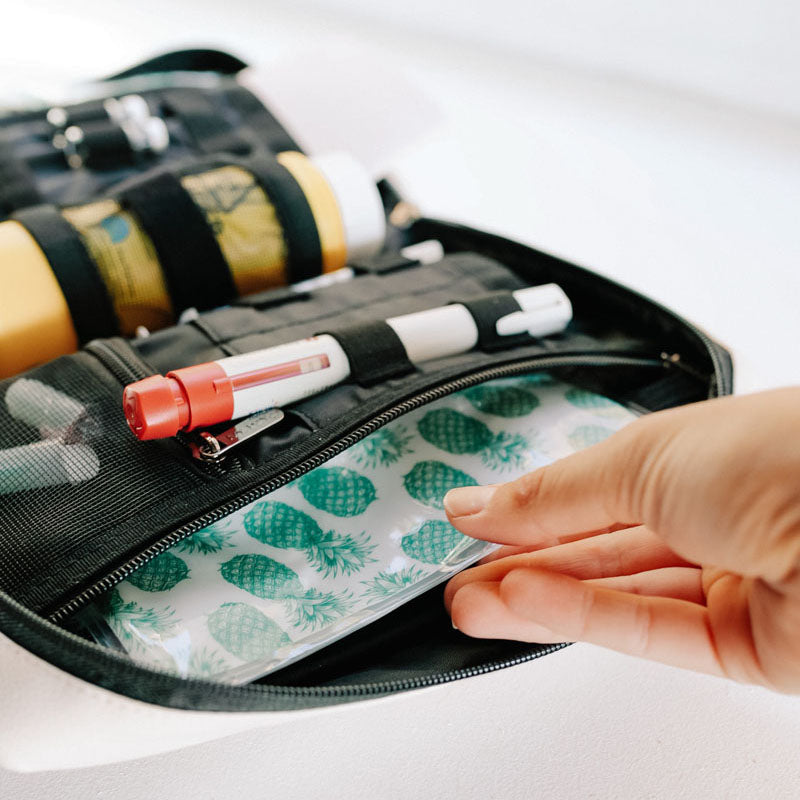
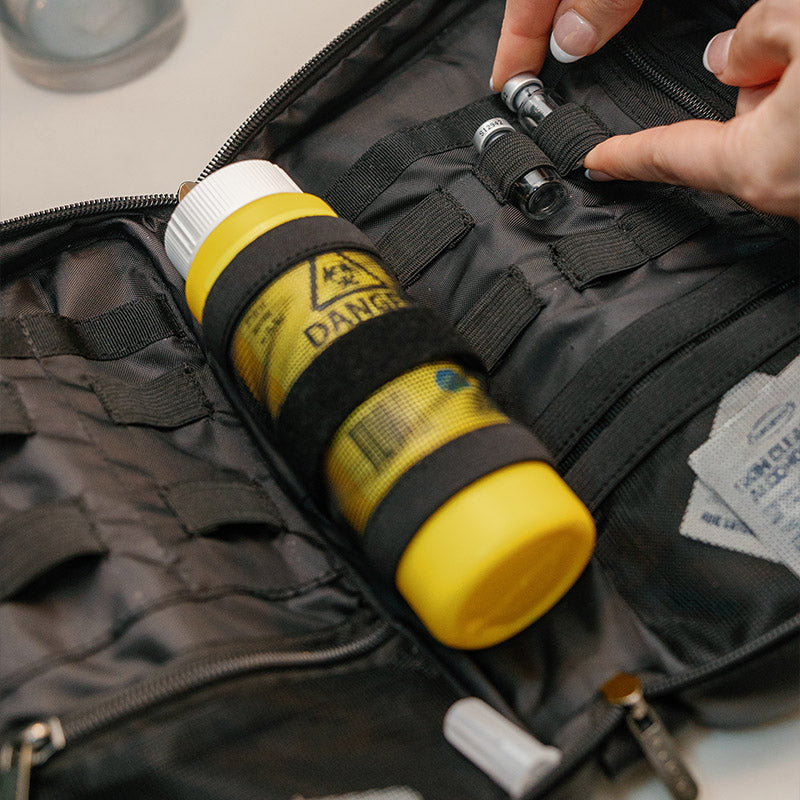
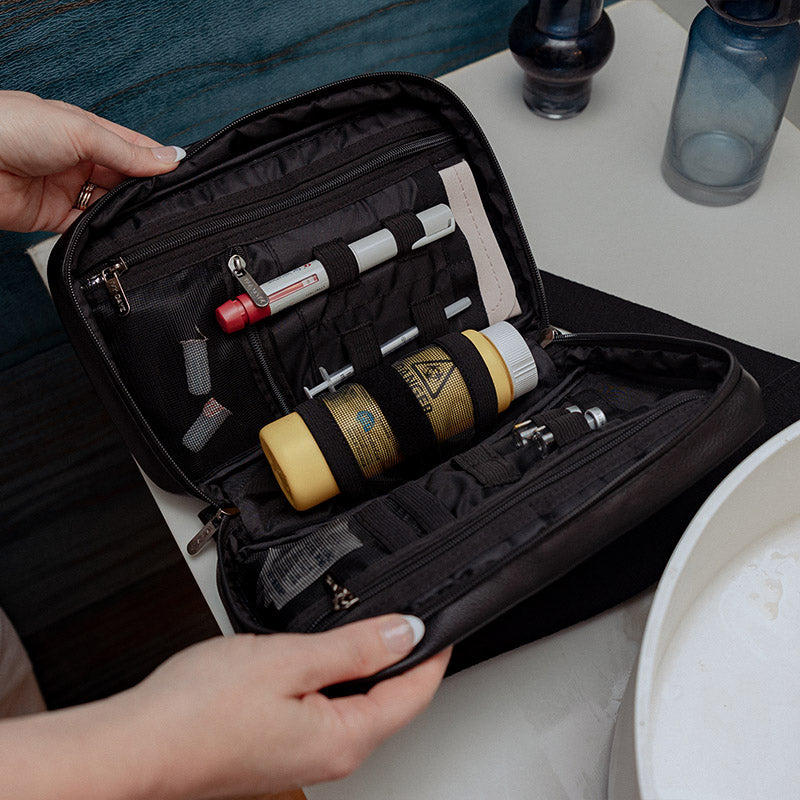
If your trigger time lands while you're out, the On the Go Pouch helps keep it cool and gives you a clean surface to prepare it.

Feeling nervous about the injection itself? You're not alone. Read Injection Jitters Are Real for a simple method that helps.
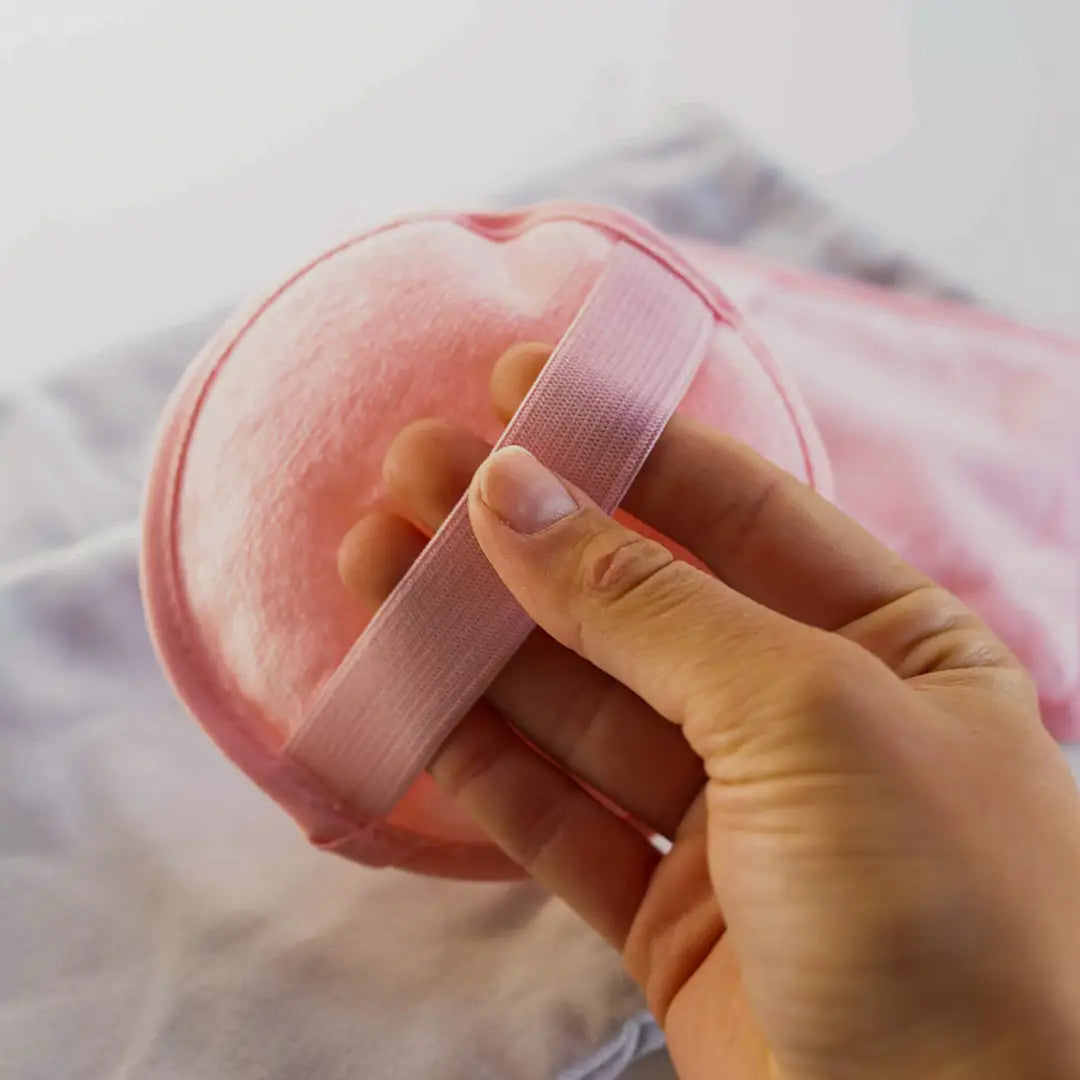
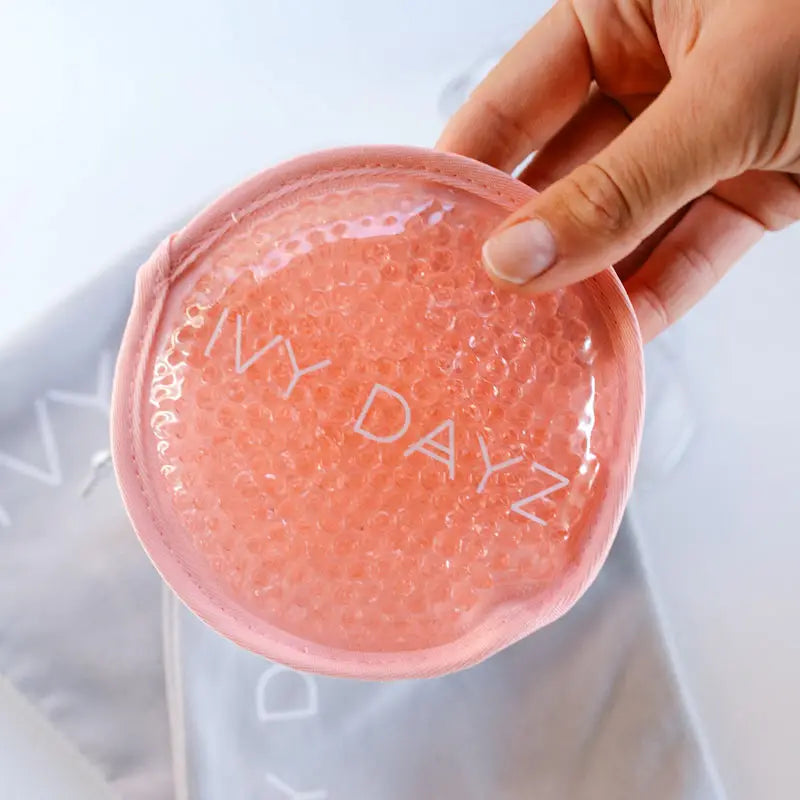
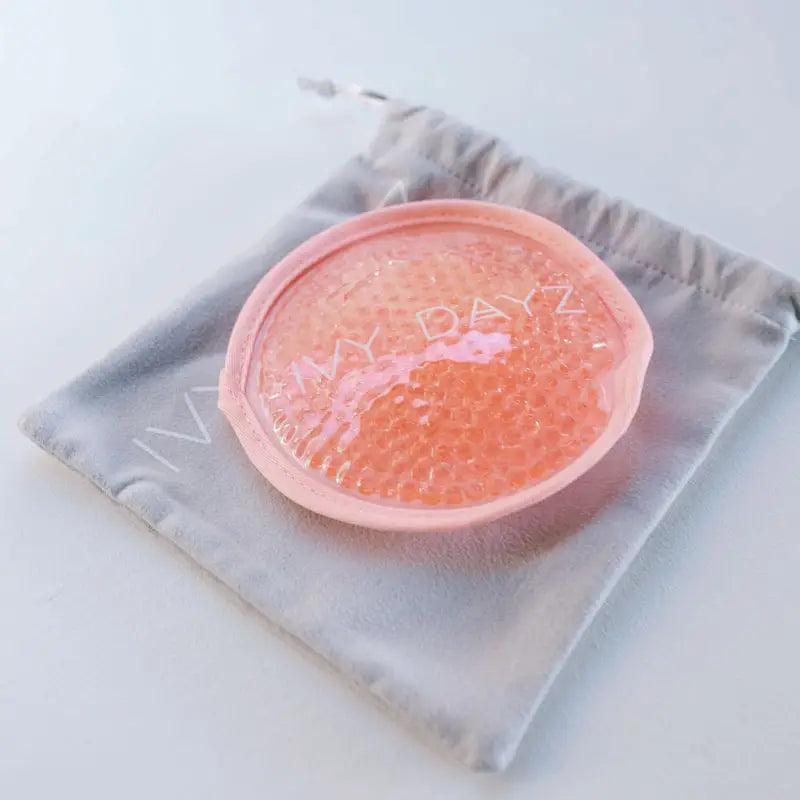
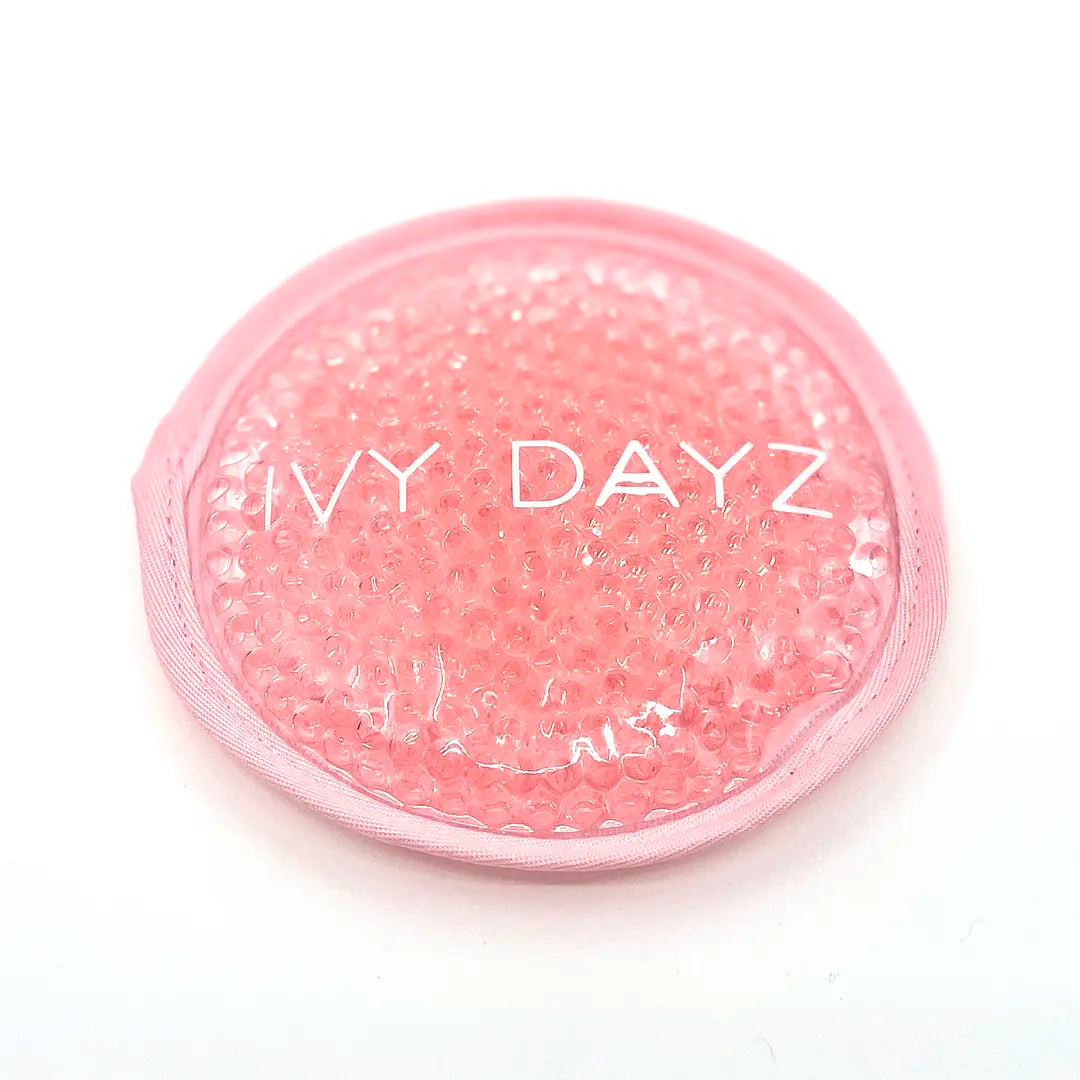
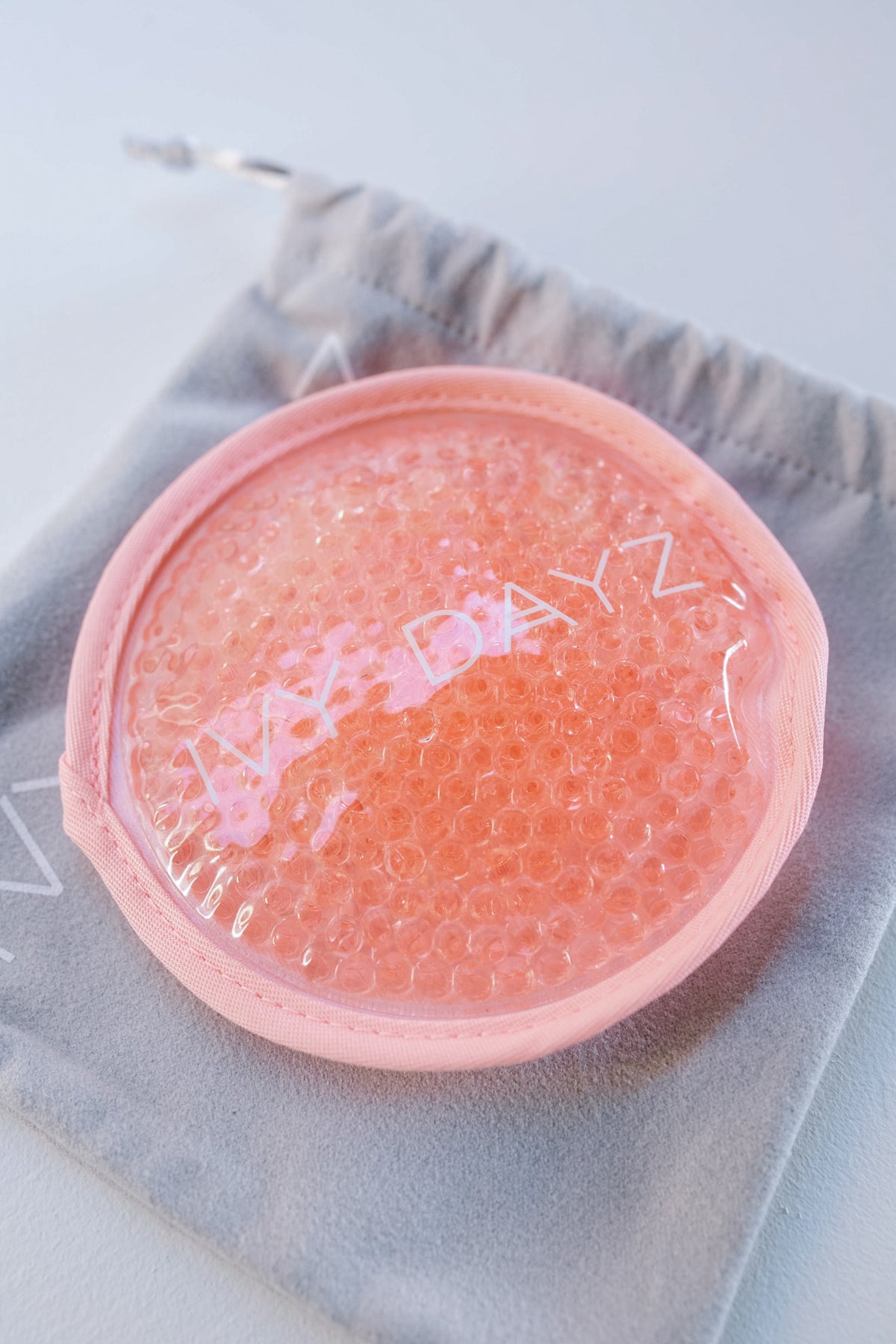
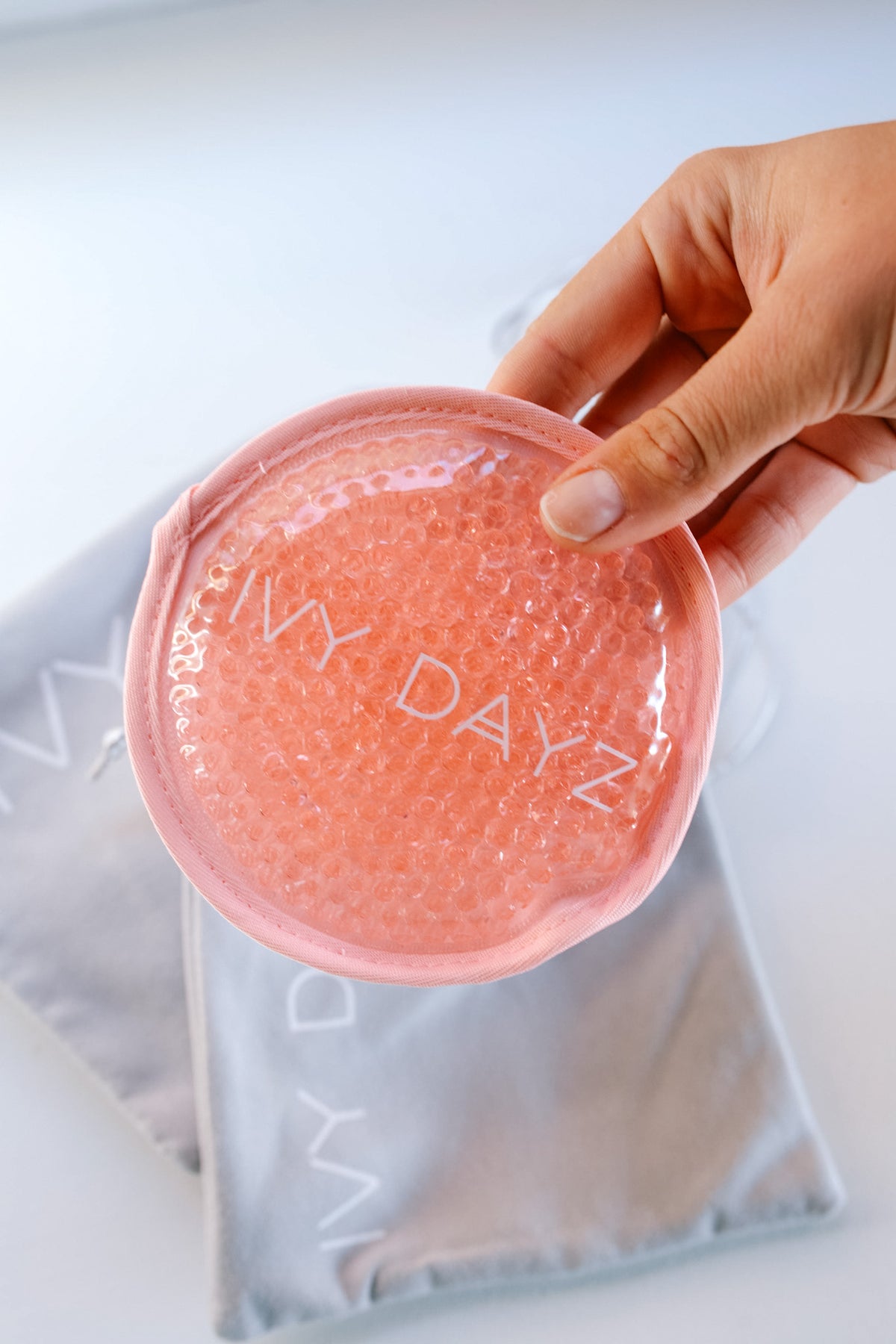
2. Have a heat pack ready
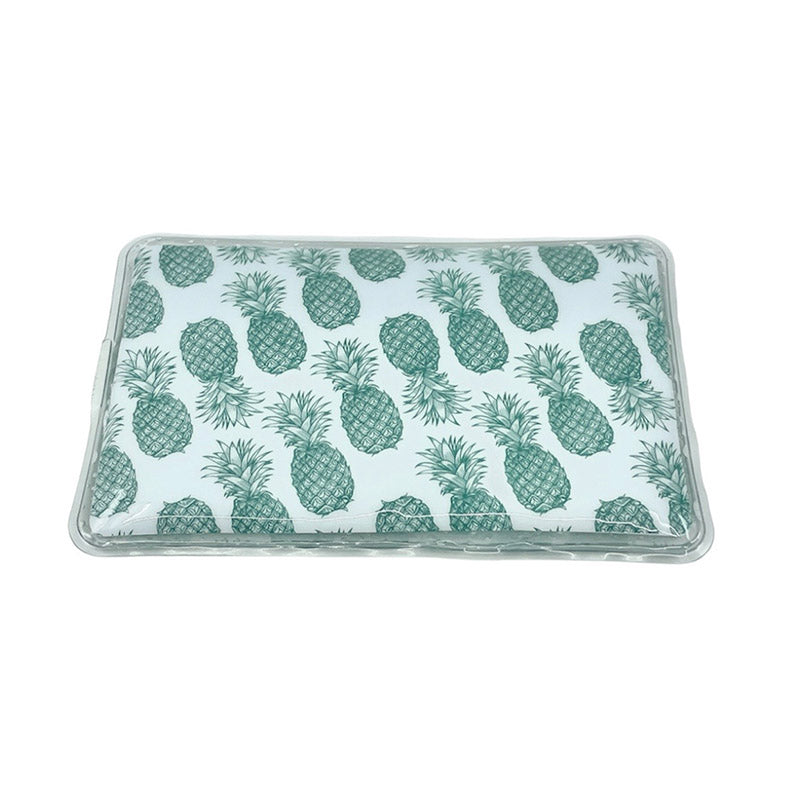
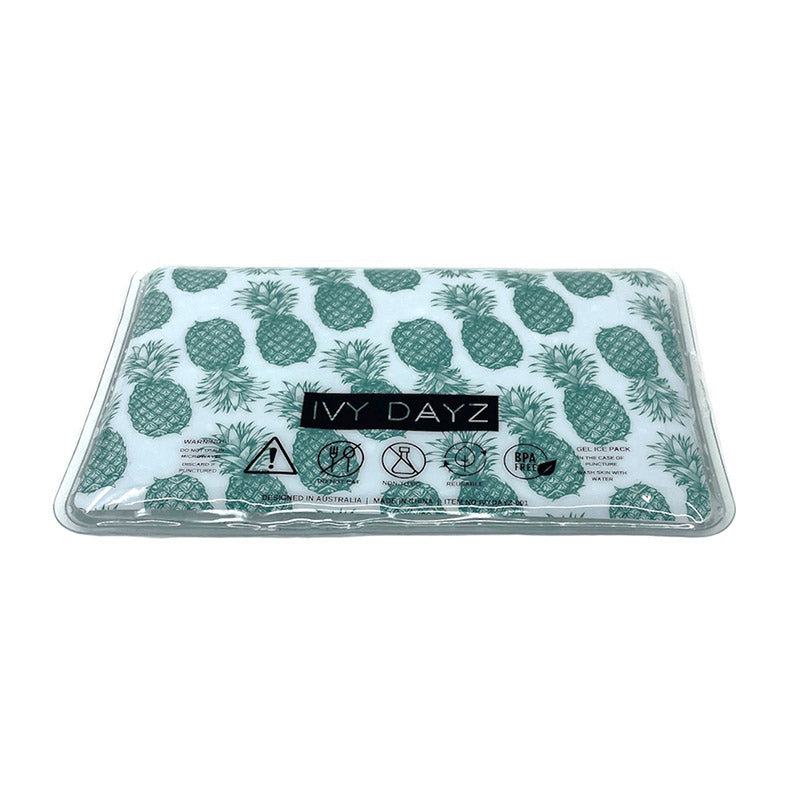
Heat can help relax muscles and ease discomfort by increasing blood flow. Many women find a heat pack soothing after egg collection, and during the follicle development phase too. Check with your clinic first, and don't use a heat pack after an embryo transfer.
3. Prepare nourishing meals
Consider preparing some nourishing, gentle meals in advance: think stocks and broths, casseroles and soups. You'll want to rest after your procedure, and having wholesome meals waiting at home will be a huge help. You may also want to go easy on sugary and heavily processed foods, which can upset your digestion while you recover.
4. Be prepared to stay hydrated
Your body has been through a lot. Stay well hydrated during recovery and have an electrolyte drink such as Hydralyte on standby, just in case.
5. Have period underwear ready
There may be some bleeding after your egg collection, and tampons aren't recommended. Period underwear is a comfortable choice for recovery.
6. Organise a lift home
Egg collection is usually done under sedation or general anaesthetic, and you won't be able to drive yourself home. Line up your support person ahead of time, and let them know the plan could change at short notice.
Being organised won't take away the uncertainty of IVF, but it can take a little weight off your shoulders when the call comes. If you'd like more on that, read Mental Health Benefits of Staying Organised During IVF.
Wishing you all the very best for your collection. From one warrior to another,
Tanya xo
Sources
- Guy's and St Thomas' NHS Foundation Trust: IVF treatment, step 2, egg collection
- Medicine (2016): New perspectives on criteria for the determination of HCG trigger timing in GnRH antagonist cycles
Disclaimer: This article is intended for educational and inspirational purposes, not medical advice. Please seek medical advice from your healthcare provider and follow your clinic's instructions.